



Nearly a decade after tragedy reshaped a community, the site of Pulse Nightclub in Orlando has entered a new chapter.
The building where 49 people were killed in a 2016 mass shooting was demolished on March 17, clearing the way for a long-awaited permanent memorial.
A Site of Grief, Now a Step Toward Healing
Demolition crews began work early Wednesday morning, bringing down the structure that had stood as both a place of remembrance and a source of ongoing pain. The nightclub had remained intact for years as conversations unfolded around how best to honor the lives lost.
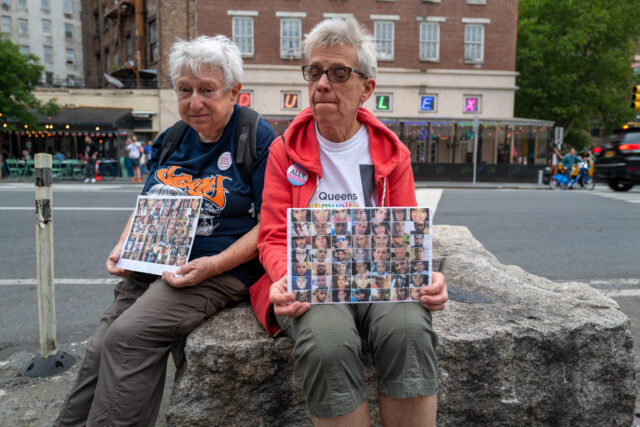
City officials, survivors, and family members gathered nearby as the building came down, a moment many described as difficult, but necessary.
Orlando Mayor Buddy Dyer acknowledged the weight of the day in remarks to local media, noting that while no physical space can provide full closure, the next phase may offer a place for reflection.
Remembering the Pulse Shooting
The attack at Pulse on June 12, 2016, remains one of the deadliest mass shootings in U.S. history. A gunman, later identified as Omar Mateen, opened fire inside the crowded venue during a Latin-themed night, killing 49 people and injuring dozens more.
The hours-long siege ended when law enforcement officers stormed the building and killed the attacker. Investigators later said he had pledged allegiance to ISIS during the attack. Many of the victims were Latino, adding another layer of grief for communities already navigating identity, culture, and loss.
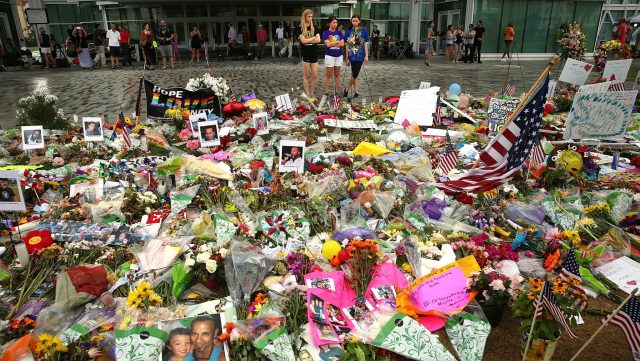
In the years since, Pulse has stood as a symbol of both vulnerability and resilience within the LGBTQ+ community.
Years of Debate Over What Comes Next
What should happen to the site has been a question without an easy answer.
A nonprofit, the OnePulse Foundation, was initially tasked with developing a memorial and museum. Plans stalled as fundraising challenges mounted, eventually leading to the organization’s dissolution.
The city of Orlando later stepped in, purchasing the property and taking over responsibility for the memorial process. Officials formed an advisory group that included survivors and victims’ families to help shape the vision.
One of the most sensitive points of debate centered on whether the nightclub itself should remain as part of the memorial. Some saw the building as sacred ground, while others felt its removal was necessary to move forward.
Ultimately, the decision was made to clear the site.
What the Memorial Will Look Like
With demolition now complete, attention turns to what will rise in its place.
Design plans outline a space intended for quiet reflection. At the center will be a pool featuring a subtle rainbow ripple, a nod to both LGBTQ+ pride and the lives remembered. A curved canopy structure, described as an “angel eclipse,” will offer shade while honoring each victim individually.
A wall of water will display the victims’ names alongside a phrase carved in English and Spanish: “For all those who just wanted to dance.”
Construction is expected to begin in September, with the memorial projected to open in 2027.
A Community Still Remembering
For many, the demolition is not about erasing the past, but reshaping how it is held.
The Pulse tragedy continues to reverberate across the country, particularly within queer spaces where safety and joy often exist side by side. The new memorial aims to create a place where both mourning and celebration of life can coexist, a space rooted in remembrance, but open to the future.
As Orlando moves forward, the hope is that what replaces the building will offer something the structure no longer could: a shared place to gather, reflect, and honor the 49 lives that changed a community forever.


