

There’s something surreal about watching a queer cult classic under the stars, surrounded by the very people who made it. On Saturday night, I found myself in the middle of that moment at West Hollywood Park, where The Broken Hearts Club celebrated its 25th anniversary with a benefit screening that felt equal parts reunion and homecoming.
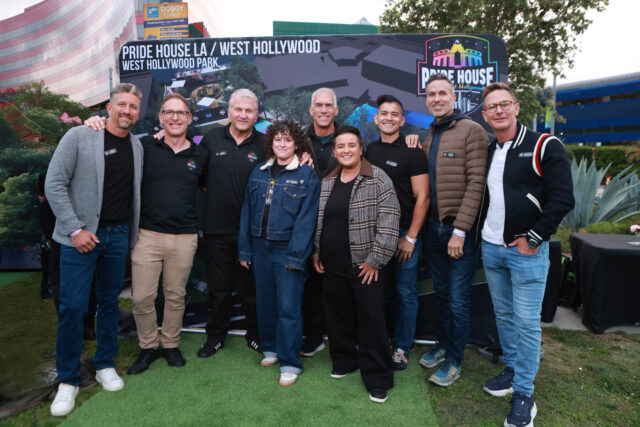
The event, presented by Pride House Los Angeles/West Hollywood and hosted by Street Food Cinema, doubled as a fundraiser supporting LGBTQIA+ athletes through Pride House and Team OutAF. But before the film even began, the crowd was already locked in, because the cast had stories to tell.
A Cast Reunion That Felt Like Group Chat Energy
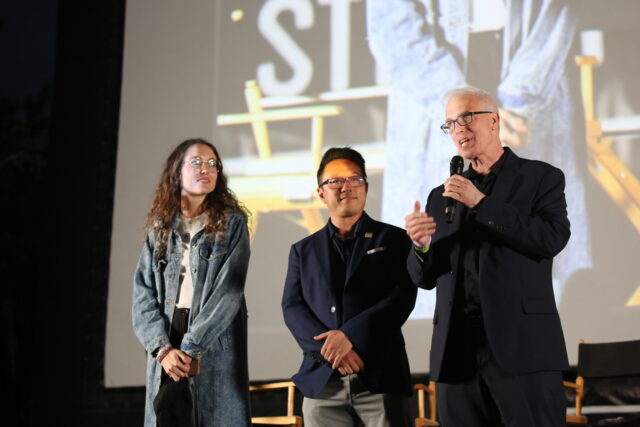
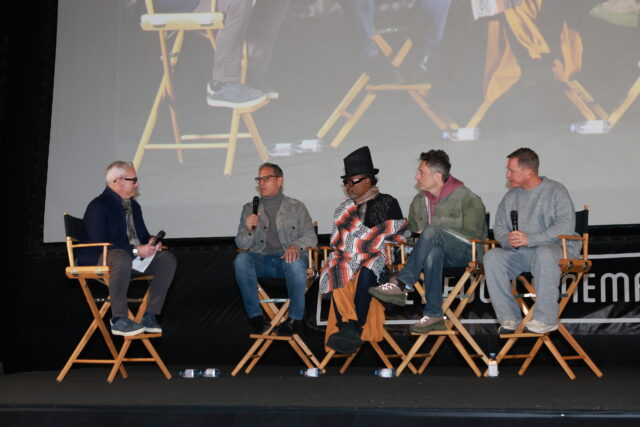
Moderated by Jess Cagle, the pre-screening Q&A brought together Billy Porter, Zach Braff, writer-director Greg Berlanti, and producer Mickey Liddell. The chemistry was immediate. It didn’t feel like a formal panel so much as a group of friends picking up where they left off, with just enough chaos to keep it interesting.
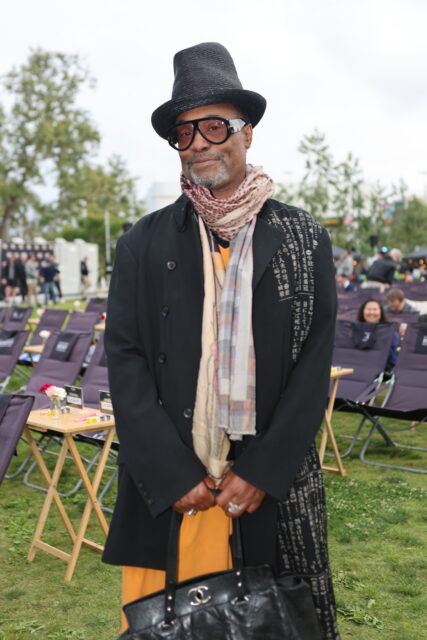
Porter, in particular, wasted no time reminding everyone why he’s a scene-stealer. Recounting how he landed his role, he described a last-minute audition that took place in a hotel room on a Sunday night.
“That’s how I got that part, b****!” he said, landing the punchline with perfect timing as the audience erupted.
He also reflected on what the film meant at the time. “There wasn’t anything for queer people,” he said. “Let alone layering that with queer people of color.” It was a reminder that what feels nostalgic now once filled a real gap in representation.
Zach Braff’s ‘Only in Hollywood’ Moment
Braff brought his own brand of humor, sharing a story that perfectly captured the unpredictability of early career hustle. After the film premiered at Sundance and started gaining attention, he was still waiting tables in Los Angeles.
“People would go see the movie and then come into the restaurant,” he recalled. “They’d say, ‘We just saw your film, you were great.’ And I’d say, ‘Thank you… can I tell you about the specials?’”
He paused, letting it land.
“Only in Hollywood can someone watch your movie and then have you serve them dessert.”
It was the kind of anecdote that stuck with the crowd, not just because it was funny, but because it grounded the film’s legacy in something real.

Greg Berlanti on Beginnings
For Berlanti, the night carried a different weight. The Broken Hearts Club marked his directorial debut, and he made it clear he didn’t do it alone.
“My career and this film would not exist without Mickey Liddell,” he said, giving credit to the producer seated beside him.
That sense of gratitude carried through the evening. Even as the stories veered into comedy, there was a throughline of appreciation, for the film, for each other, and for the timing that made it all possible.
More Than Nostalgia
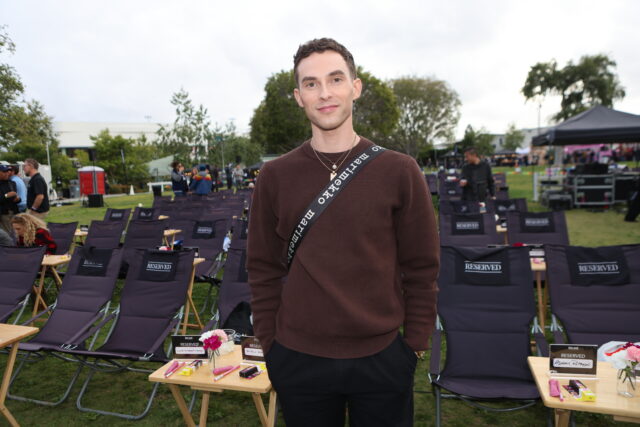
Beyond the panel, the guest list reflected how far the conversation around queer visibility has expanded. Attendees included Billy Porter, Zach Braff, and Berlanti alongside names like Adam Rippon, Robbie Rogers, and Brittany Bowe, athletes who represent a new era of out competitors.
That connection wasn’t accidental. Pride House Los Angeles/West Hollywood is already looking ahead to the 2028 Summer Games, aiming to create a space where LGBTQIA+ athletes and fans can gather, celebrate, and be visible on a global stage.
Watching the film in that context added another layer. What once felt groundbreaking now reads as foundational, a stepping stone toward broader representation across entertainment and sports.
A Full-Circle Moment in WeHo
As the sun set and the film began, the energy shifted. The laughter from the Q&A gave way to something quieter. People settled in, some revisiting the story for the first time in years, others seeing it for the first time surrounded by a community that understands its impact.
For me, the night showcased how the movie’s legacy continues to ripple outward, through the people it inspired, the stories it helped make possible, and the space it still holds in queer culture.
And if nothing else, it proved one thing: give Billy Porter a microphone, and he will absolutely give you a moment.


