



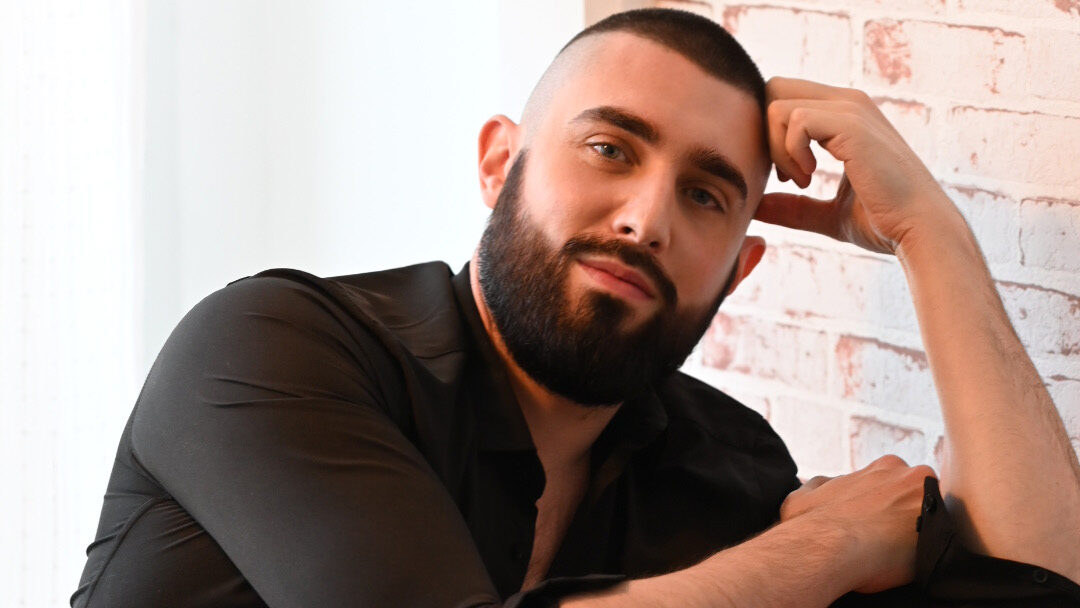
Curtis Ryan Woodside has spent years studying the ancient world, building a reputation as a filmmaker and Egyptologist whose documentaries stream across major platforms. For a long time, he believed that credibility required sacrifice, specifically, leaving modeling behind in order to be taken seriously in academic spaces.
That pressure came to a head in 2018, after an agent told him he could never be respected in the field as an openly gay man. The comment lingered. Woodside shifted his focus entirely to ancient Egypt, shelving a part of himself he once embraced.
“I was furious,” Woodside said. “Who I’m attracted to has nothing to do with my ability to study history objectively.”
Years later, that belief would be tested again, this time in front of a camera.
Saying Yes to Vulnerability
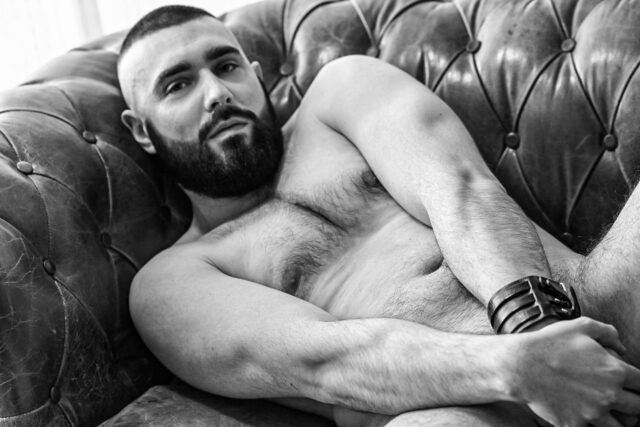
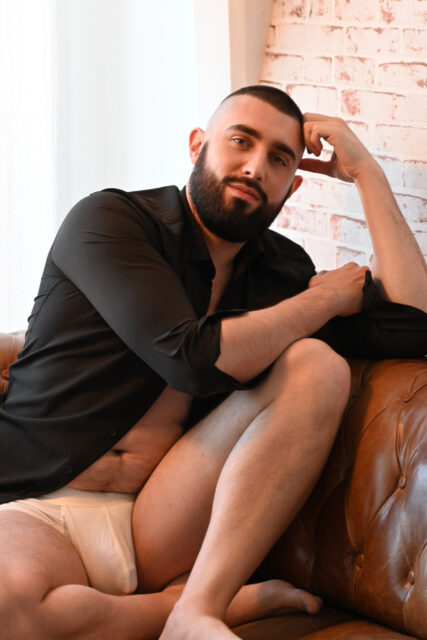
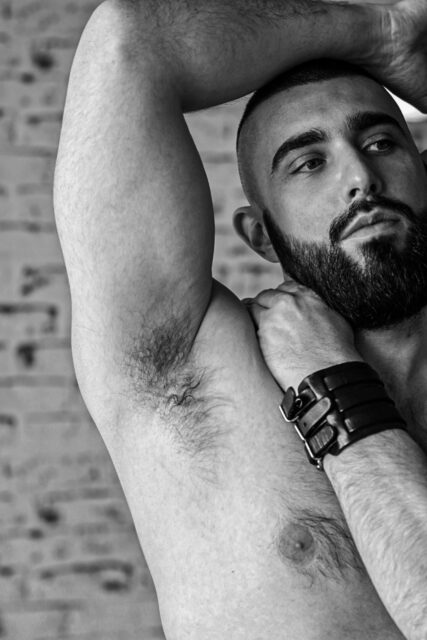
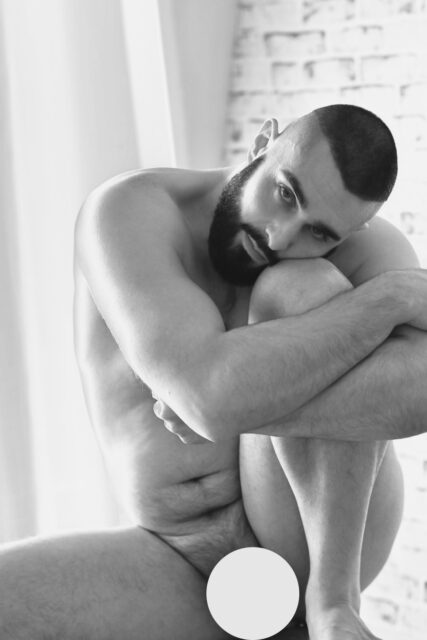
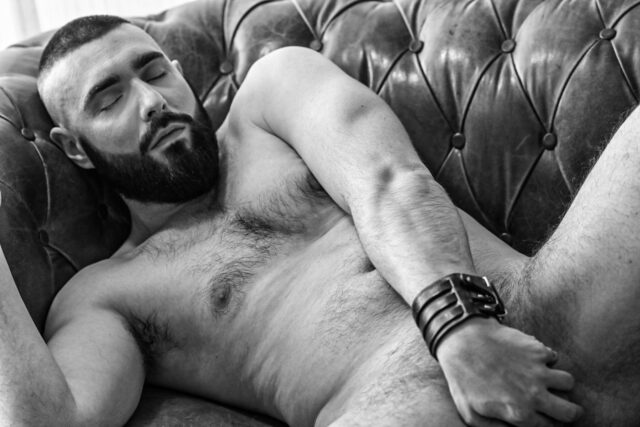
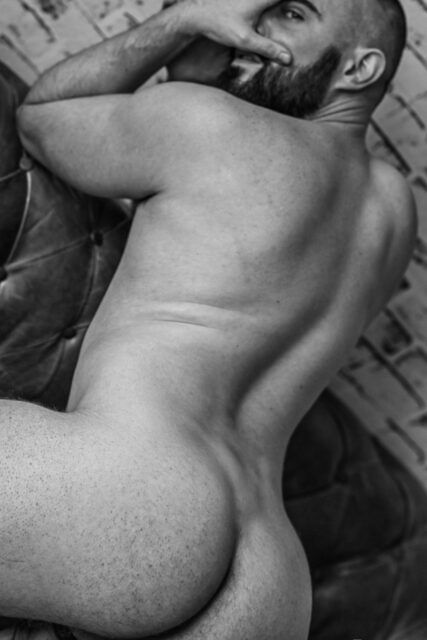
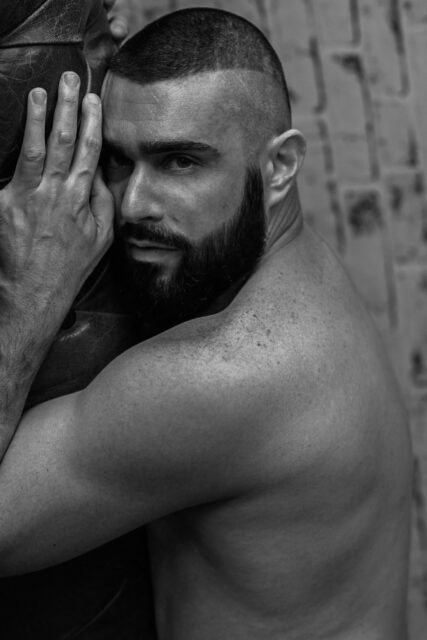
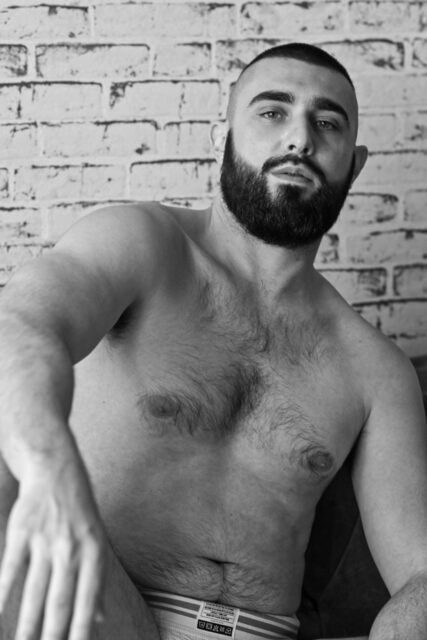
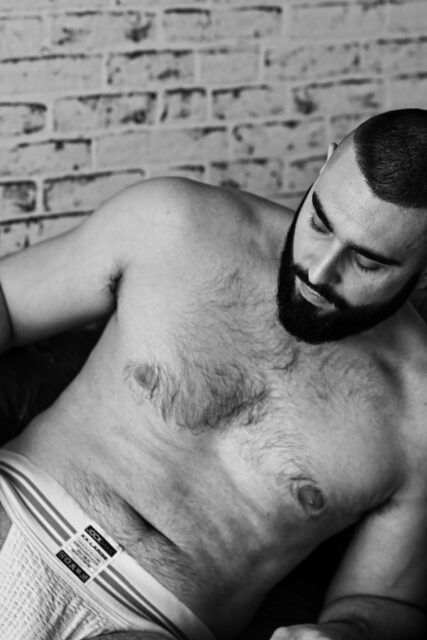
In December, while living in Italy, Woodside was contacted by Milan-based photographer Emanuele, from Rotiko Studio Milan, for a nude shoot. The ask sparked hesitation. His body had changed since his modeling days. Health challenges and back injuries reshaped his relationship with confidence, even as he felt stronger and happier than before.
Instead of waiting for some imagined “perfect” moment, Woodside decided this was it.
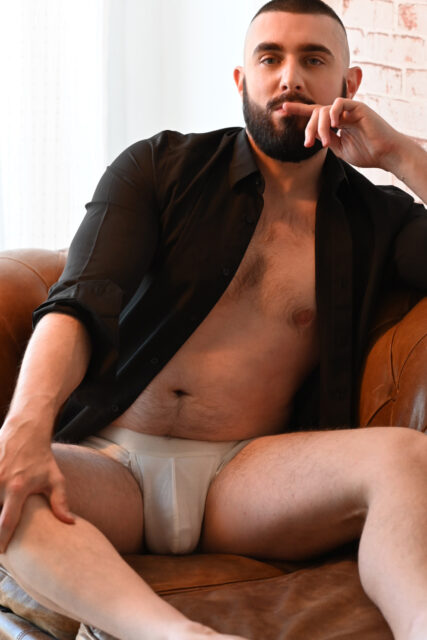
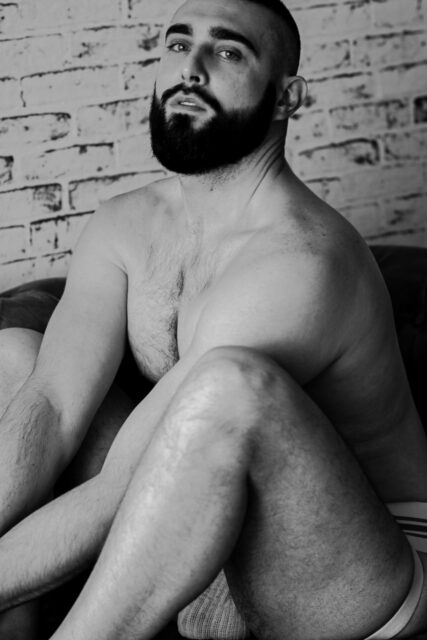
“Take the images now,” he said. “Not when you’re older and wondering why you didn’t.”
The shoot wasn’t about provocation. It was about presence.
Trust, Subtraction, and the Power of the Gaze
For Emanuele, nudity wasn’t exposure, it was reduction. By removing distractions, he aimed to reveal intimacy without spectacle. What drew him to Woodside wasn’t physique, but expression.
“His gaze suggested an entire world,” the photographer said.
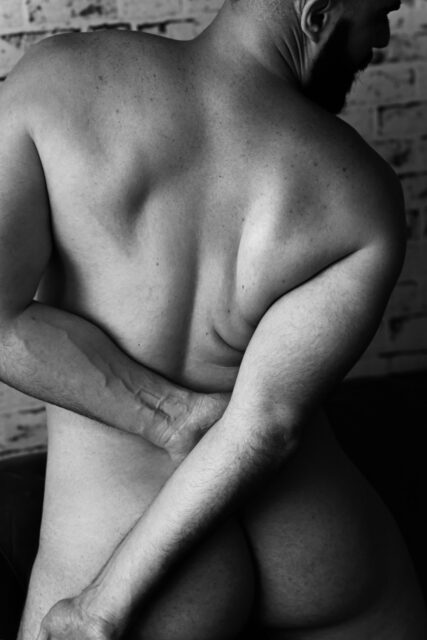
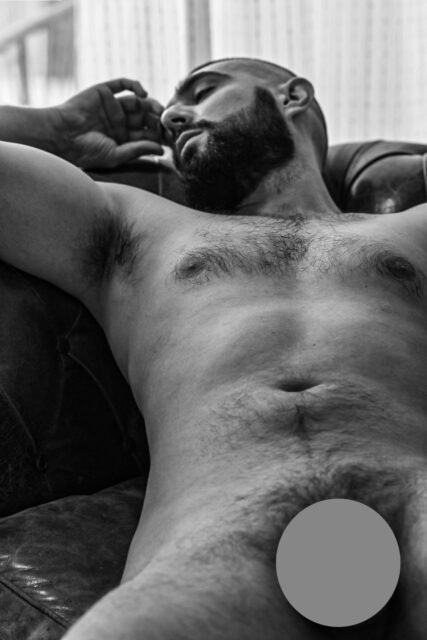
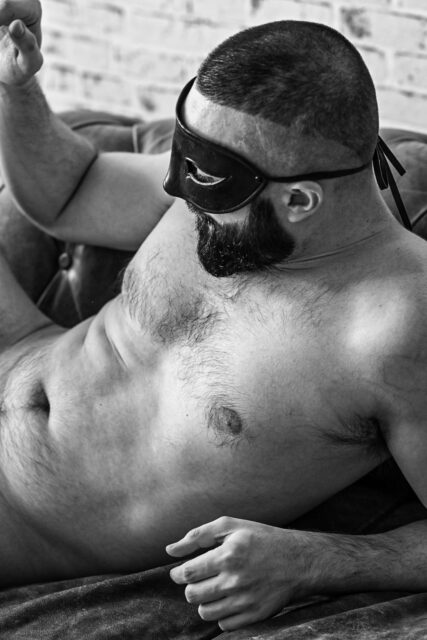
Before the shoot, boundaries were quietly understood. Music filled the room. Awkwardness dissolved. What remained was collaboration rooted in mutual respect.
“I always work with delicacy,” Emanuele said. “Those who undress place themselves in a vulnerable position.”
Living With Scars, Seen and Unseen
Woodside’s relationship with his body has long been shaped by trauma. As a child, he survived a violent dog attack that required months of facial reconstruction. The scars remain, some visible, others felt daily.
“I don’t really like looking at my face,” he said. “Being in front of a camera takes a lot of confidence.”
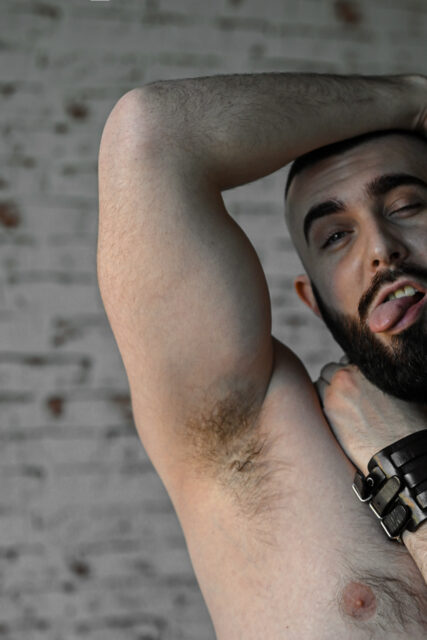
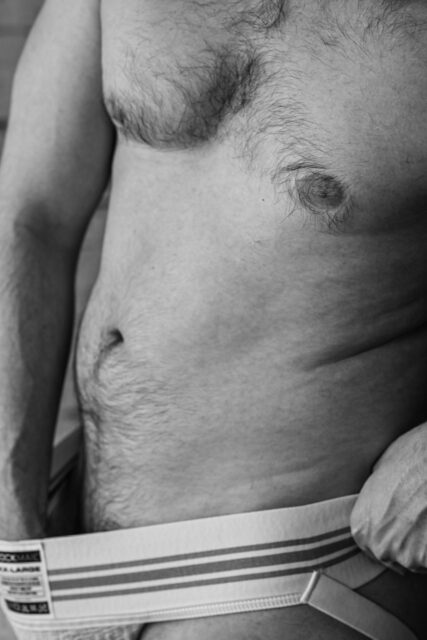
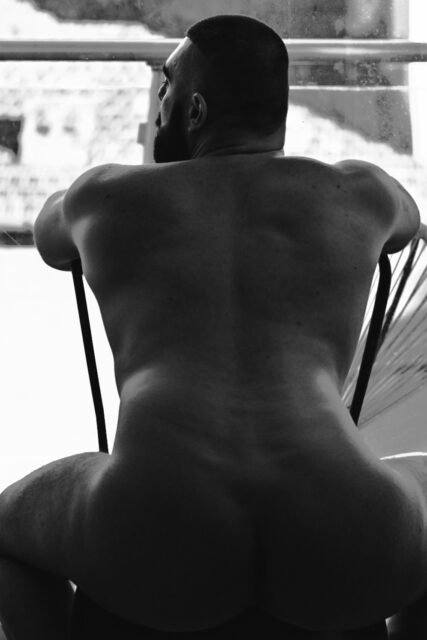
That history made the shoot both frightening and freeing. Reviewing the first images shifted everything. The fear softened. Trust took over.
Redefining Masculinity and Confidence
The final images sit somewhere between stillness and strength. They resist stereotype, favoring quiet power over performance. For both artist and subject, the work pushes back against narrow ideas of masculinity and perfection, ideals often amplified by social media.
“Perfect bodies don’t exist,” Emanuele said. “Beauty lies elsewhere.”
Woodside hopes viewers, especially queer men struggling with self-image, see possibility rather than pressure.
“Get out of your comfort zone,” he said. “Even once.”
More Than a Moment
The shoot didn’t replace Woodside’s work behind the camera. It sharpened it. He feels less interested in proving himself to others and more focused on following curiosity wherever it leads.
“I know I’m good at what I do,” he said. “But I’m allowed to explore.”
In stepping back into the frame, Curtis Woodside didn’t abandon his past. He reclaimed it, scars, strength, and all.


