

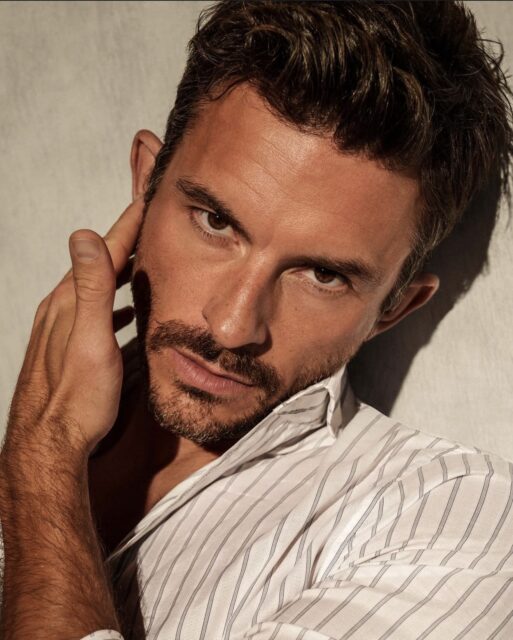
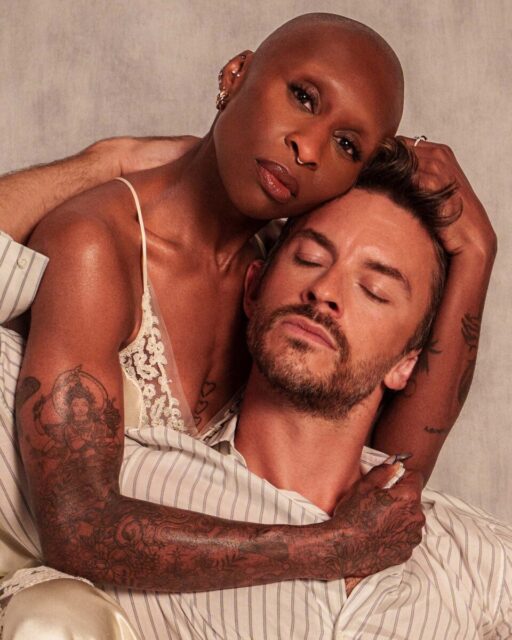
When Cynthia Erivo and Jonathan Bailey sit down together for Wonderland, the conversation skips pleasantries and lands somewhere much deeper. There’s no need for scripted questions or polite banter. They already know where the other is headed. The rhythm is familiar, shaped by shared roots and years spent navigating the same creative corridors of British theatre.
That ease matters when you’re carrying one of modern musical theater’s most emotionally loaded stories into its final cinematic chapter.
This November, Erivo and Bailey return in Wicked: For Good, the second installment of Jon M. Chu’s two-part adaptation of the Broadway phenomenon. The film continues the untold story before Dorothy arrives in Oz, charting how Elphaba becomes the Wicked Witch of the West and how Glinda steps into her public shine. The source material, Winnie Holzman’s book paired with Stephen Schwartz’s score, has long lived in the cultural bloodstream. Now, it carries the weight of blockbuster expectation.
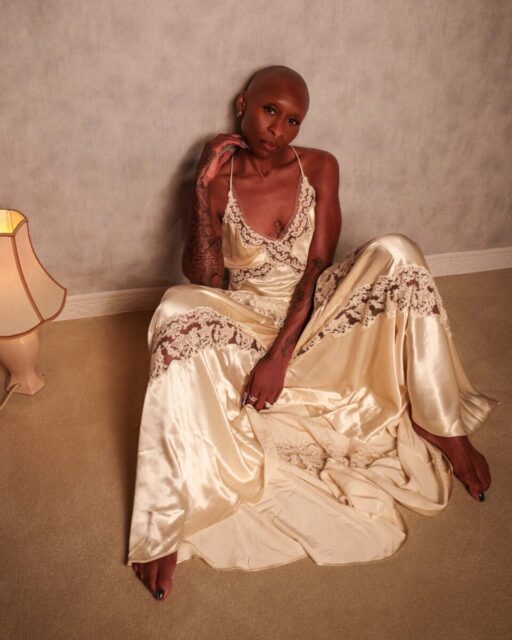
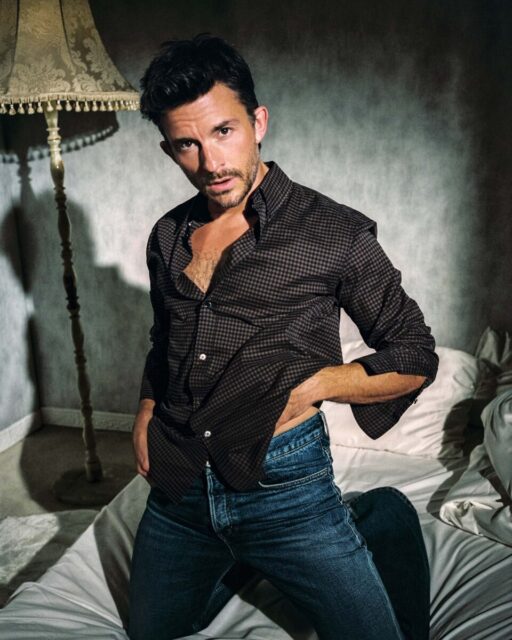
A Cultural Moment, Revisited
The first Wicked film arrived after a press run that felt impossible to miss. Green and pink dominated feeds, red carpets turned theatrical, and Erivo’s bond with Ariana Grande became a central part of the conversation. That visibility helped reframe the story as something larger than nostalgia. It was about identity, choice, and consequence.
Wicked: For Good narrows its focus. The spectacle remains, but the emotional stakes sharpen. Destiny replaces discovery, and relationships fracture under pressure. Bailey’s Fiyero, introduced as charm-forward and evasive, becomes a key emotional hinge. His dynamic with Erivo’s Elphaba is less about romance than recognition, two people clocking each other’s contradictions in real time.
“They’re made for each other and not at the same time,” Erivo says of their characters. The push and pull is the point. Neither lets the other hide.
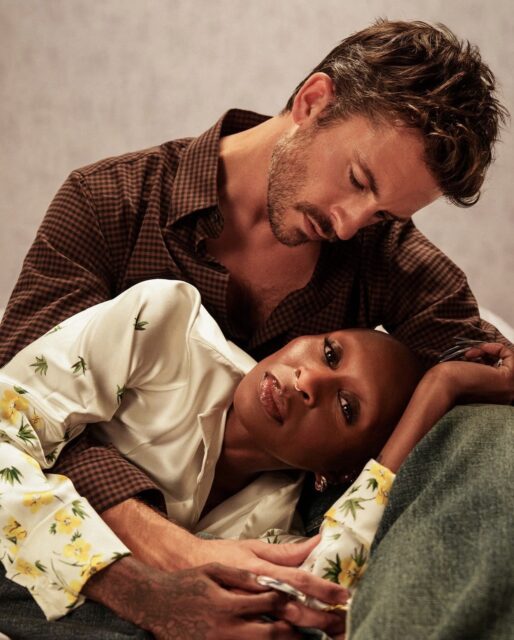
Chemistry Without Fear
Bailey describes their connection as alignment rather than performance. Scenes were filmed entirely out of sequence, demanding constant emotional recalibration. That challenge, he says, only worked because there was no hesitation about going all in.
“There’s a lack of fear,” Erivo adds. “We’re just diving in.”
That trust extends to the physical language of the film. Large musical numbers weren’t built for movement alone. Every choice carried story weight. Bailey’s choreography-heavy sequences required full presence, even amid spectacle. Nothing was decorative.
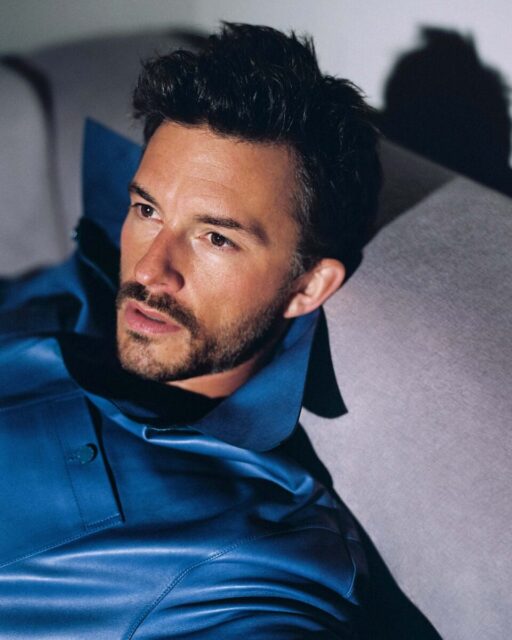


Carrying the Work
Both actors are balancing packed schedules. Erivo has filmed multiple projects in quick succession, released music, hosted major ceremonies, and is preparing to return to the stage in Kip Williams’ one-woman Dracula. Bailey recently closed a demanding run as Richard II and will return to Bridgerton next year. Neither talks about momentum as ambition. It’s framed more as responsibility.
Returning to theater, Erivo admits, is terrifying. But it’s also grounding. The fear signals meaning.
That perspective shapes how she reflects on Wicked now, especially considering how unlikely the journey once seemed.
“I legitimately remember having a conversation with Ben Platt, during The Color Purple, and he said, ‘They’re gonna do a film of Wicked and you should play Elphaba’. I thought he was absolutely insane. I thought it was the craziest thing to have said, because I was like, ‘there’s not a chance in any world that that’s going to be mine. There’s no way I’m ever going to be asked to play this character. Thank you so much for thinking that, but that’s nonsense, and you know it.’ I really did not believe that was going to happen. So to be here, legitimately 10 years later, having completed two of these films is a mind boggling thing.”
Paying Respect to the Impossible
Bailey sees that disbelief as familiar. The industry tells narrow stories about who gets to arrive and when. What Wicked: For Good reflects back, on screen and off, is the slow dismantling of those narratives through work, trust, and time.
Nothing arrived overnight. Everything was earned.
And when the curtain finally falls on Oz, it won’t just mark the end of a story. It closes a chapter defined by risk, patience, and the quiet decision to believe something better could be possible.


