


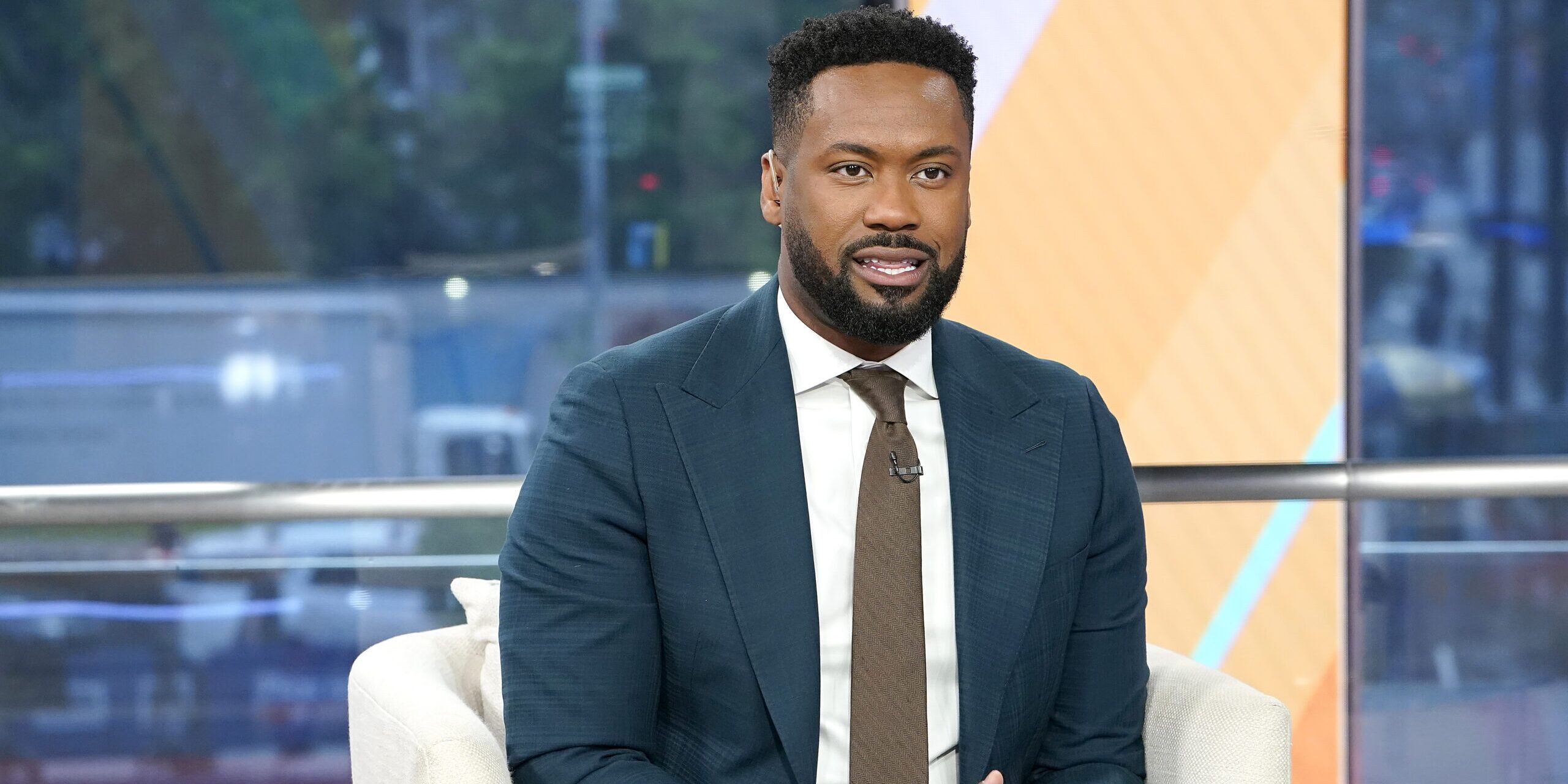
Fox News host Lawrence Jones is facing criticism after suggesting that people diagnosed with gender dysphoria should not be allowed to own firearms. His remarks came during a segment on The Five following a deadly shooting at a Rhode Island ice rink.
The violence unfolded Monday at the Dennis M. Lynch Arena in Pawtucket, about five miles from Providence. Authorities said 56-year-old Robert Dorgan fatally shot his son and ex-wife during a youth hockey game before turning the gun on himself. Police continue to investigate the circumstances surrounding the shooting.
Dorgan reportedly underwent gender-affirming surgery in 2020 and at times used the name Roberta, according to prior reporting. Court records detail years of family conflict after the procedure, including disputes with in-laws and a divorce finalized in 2021.
During Tuesday’s broadcast, Jones pivoted from the facts of the case to a broader argument about mental health and firearm access.
“If you, from a psychological standpoint, think that you are another sex, you should not have a gun,” Jones said, referencing gender dysphoria. He described the diagnosis as “a problem” that should disqualify someone from gun ownership.
Medical experts, however, distinguish between gender dysphoria and severe mental illness. Being transgender is not classified as a disorder. Gender dysphoria is a diagnosis that can allow access to medical care and support, not a determination of instability or violent behavior.
What the Data Shows
Research consistently finds that the overwhelming majority of mass shootings in the United States are carried out by cisgender men. According to the Violence Prevention Project, up to 98% of mass shooting perpetrators are non-trans men. There is no evidence showing transgender identity as a predictive factor for gun violence.
Jones’ comments arrive amid ongoing political efforts to tie LGBTQ+ identities to broader cultural debates over safety and public policy. Last year, the Justice Department under former President Donald Trump reportedly explored whether people diagnosed with gender dysphoria could be barred from purchasing firearms after a separate shooting involving a transgender suspect. That idea met resistance from gun rights organizations, including the National Rifle Association, which said the Second Amendment “isn’t up for debate.”
A Family History of Conflict
In the Rhode Island case, public records show that tensions within Dorgan’s family escalated after his surgery. He previously told police that his father-in-law reacted angrily to the operation and allegedly made threats. Charges tied to those allegations were later dismissed. Additional accusations involving family members were also thrown out in court.
Dorgan’s former wife initially cited gender-affirming surgery and personality traits in divorce filings. Those claims were later replaced with “irreconcilable differences,” the standard phrasing used in many separations. At the time of the divorce, he was working as a truck driver and living in Jacksonville, Florida, according to local outlet WPRI.
Renewed Debate
The Pawtucket shooting has prompted grief across the local hockey community. It has also reignited national arguments over how mental health, identity and gun laws intersect.
Critics of Jones say linking transgender identity to firearm restrictions oversimplifies a complex issue and risks further stigmatizing a community that already faces disproportionate discrimination and violence. Advocates note that policy discussions around gun reform typically center on background checks, domestic violence histories and access safeguards, not identity.
As the investigation continues, the focus in Rhode Island remains on the victims and the community they leave behind. Nationally, however, the conversation has shifted, once again, to who gets to frame the debate.


