


Black LGBTQ Americans have shaped nearly every corner of U.S. culture, often while being erased from the narratives they helped build. From civil rights organizing to avant-garde art, these figures pushed boundaries, demanded dignity, and expanded what freedom could look like.
“As long as there have been Black people, there have been Black LGBTQ and same-gender-loving people,” said David J. Johns, executive director of the National Black Justice Collective. Yet racism, stigma, and homophobia have routinely obscured that reality.
What follows is not a complete history, but a snapshot of leaders whose influence continues to ripple through politics, literature, performance, and activism.
Visionaries Who Changed Culture
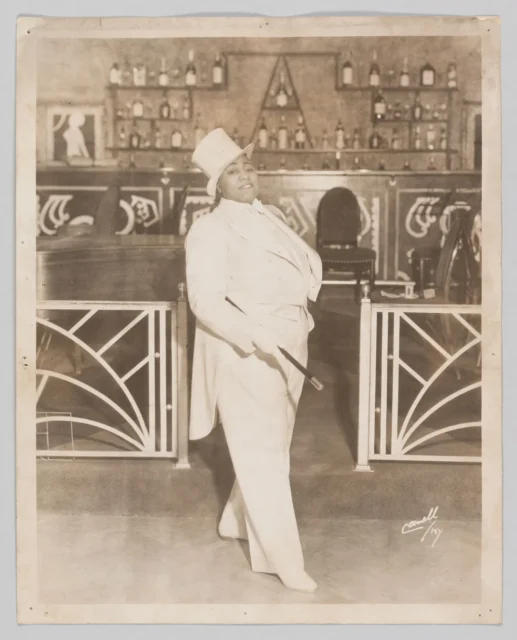
Gladys Bentley (1907–1960)
Long before gender nonconformity entered the mainstream conversation, Gladys Bentley was bending expectations during the Harlem Renaissance. Performing in a tuxedo and top hat, Bentley commanded Harlem nightclubs with blues numbers and bawdy humor. By the 1930s, she was among the most recognizable entertainers in the country. Her unapologetic presence carved space for queer expression in Black performance at a time when both were heavily policed.
James Baldwin (1924–1987)
Baldwin’s writing confronted America with its contradictions. Essays like Notes of a Native Son and novels such as Giovanni’s Room explored race, desire, and exile with clarity that still resonates. Baldwin refused to separate his Blackness from his queerness, challenging audiences to examine how identity, power, and love intersect.

Lorraine Hansberry (1930–1965)
Best known for A Raisin in the Sun, Hansberry reshaped American theater by centering Black family life on Broadway. Less publicly known during her lifetime was her engagement with lesbian political thought through the Daughters of Bilitis. Writings released decades after her death revealed how deeply feminism and queerness informed her worldview.
Audre Lorde (1934–1992)
Poet, theorist, and truth-teller, Lorde insisted that difference could be a source of power. Her work connected race, gender, sexuality, and illness, challenging movements that asked people to fragment themselves. Lorde’s essays and poetry continue to guide conversations around intersectionality and resistance.
Architects of Movement and Resistance
Bayard Rustin (1912–1987)
Rustin helped plan the 1963 March on Washington while working largely behind the scenes due to homophobia within the civil rights movement. A strategist and pacifist, he paid a steep personal cost for his sexuality, including arrest and imprisonment. Decades later, his legacy has finally been recognized for its central role in modern activism.
Stormé DeLarverie (1920–2014)
A performer turned protector, DeLarverie was a fixture in New York’s lesbian community for decades. As the only drag king in the Jewel Box Revue, she challenged gender norms onstage. Later, she became known as a guardian figure in the West Village, watching over queer spaces with quiet authority.

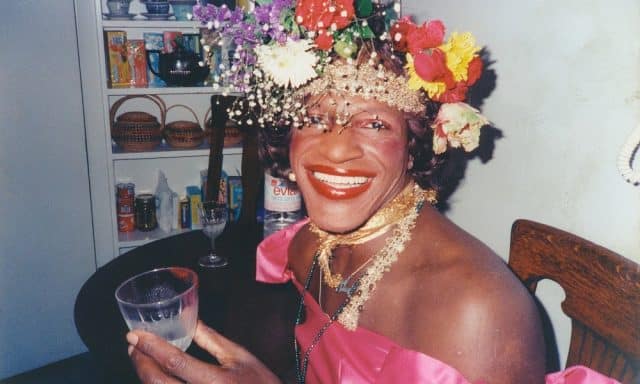
Marsha P. Johnson (1945–1992)
A symbol of joy and defiance, Johnson was a driving force in early trans liberation. Following Stonewall, she co-founded Street Transgender Action Revolutionaries to support unhoused queer youth. Her activism blended mutual aid with protest, emphasizing survival as a political act.
Ernestine Eckstein (1941–1992)
Often the only Black woman at early LGBTQ demonstrations, Eckstein bridged civil rights and lesbian organizing. She believed neither movement could succeed without the other, a stance that now feels prescient.
Leaders Who Took Power
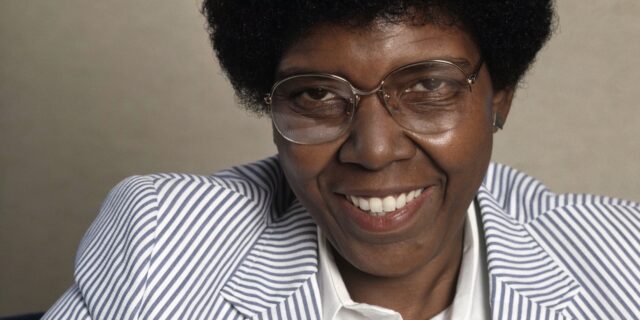
Barbara Jordan (1936–1996)
Jordan’s booming voice and constitutional expertise made her one of the most commanding figures in American politics. While private about her personal life, she lived openly with her partner and redefined what leadership could look like for Black women in government.
Ron Oden (born 1950)
When Oden became mayor of Palm Springs in 2003, he broke new ground as the first openly gay Black mayor of a U.S. city. His election helped pave the way for broader LGBTQ representation in local government.
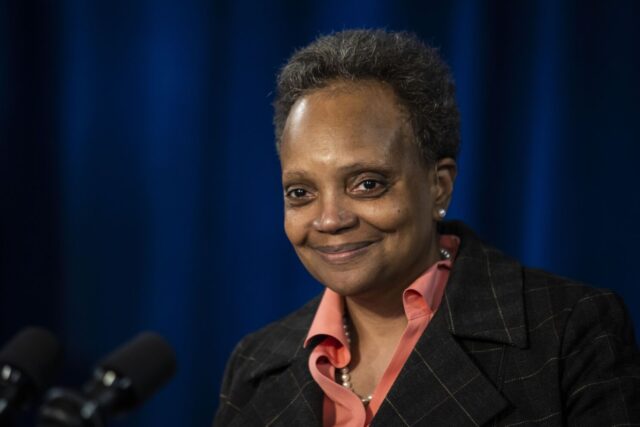
Lori Lightfoot (born 1962)
Sweeping every ward in Chicago’s 2019 runoff, Lightfoot became the city’s first Black woman and first openly LGBTQ mayor. Her victory marked a turning point in one of America’s most politically entrenched cities.
Andrea Jenkins (born 1961)
Elected to the Minneapolis City Council in 2017, Jenkins became the first openly transgender Black woman to hold public office in the U.S. A poet and historian, she has consistently tied policy work to storytelling and community memory.
Artists Who Redefined the Stage
Alvin Ailey (1931–1989)
Ailey’s choreography fused modern dance with Black spiritual traditions, creating works that spoke across cultures. His company remains a global ambassador for American dance and access to the arts.
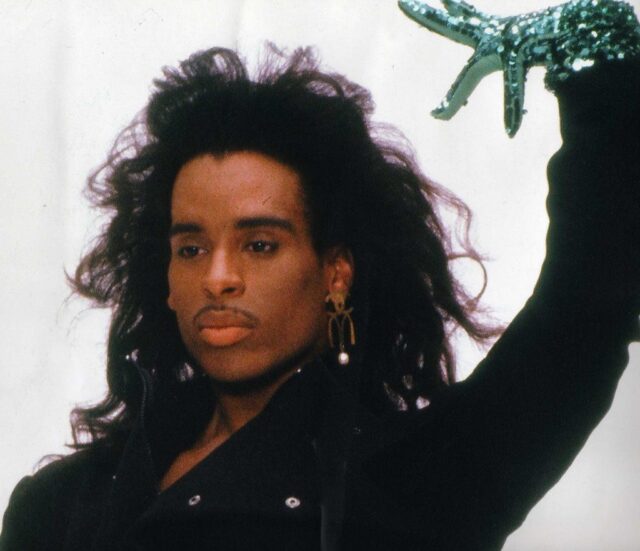
Willi Ninja (1961–2006)
Known as the “Godfather of Vogue,” Ninja brought ballroom culture into the public eye. His influence shaped fashion, dance, and pop music, while preserving a scene created by Black and Latinx queer communities.
Fighting for Life and Liberation
Phill Wilson (born 1956)
After losing his partner to AIDS and receiving his own diagnosis, Wilson founded the Black AIDS Institute to address racial disparities in healthcare. His advocacy reshaped national HIV prevention strategies and funding priorities.
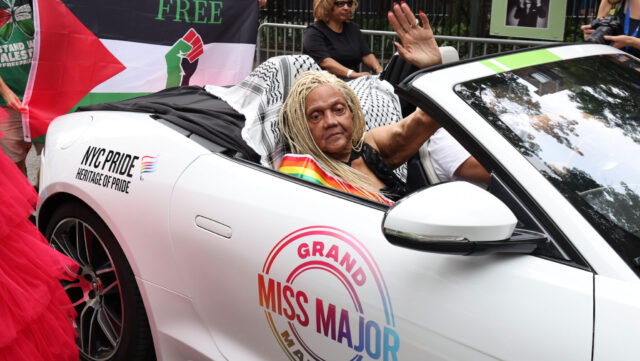
Miss Major Griffin-Gracy (1940–2025)
A survivor of incarceration and homelessness, Miss Major spent decades advocating for imprisoned trans women. As a leader with the Transgender Gender-Variant and Intersex Justice Project, she pushed abolitionist thinking into mainstream LGBTQ advocacy.
Why Their Stories Matter
These figures didn’t just make history, they expanded it. Their lives remind us that Black LGBTQ contributions are not footnotes but foundations, shaping movements that continue today.
Visibility, after all, isn’t about being seen. It’s about being remembered, accurately, fully, and without apology.


