


The Netherlands has a new prime minister, and a historic one at that. Rob Jetten was sworn in Monday as the country’s youngest head of government and its first openly gay leader, marking a milestone in Dutch politics and LGBTQ representation worldwide.
At 38, Jetten takes office after his party, Democrats 66 (D66), narrowly edged out the anti-Islam populist campaign led by Geert Wilders in October’s closely watched election. The result reshaped the political landscape and set the stage for delicate coalition talks.
A Minority Coalition With Major Hurdles
Jetten formed a center-right minority government alongside the People’s Party for Freedom and Democracy (VVD) and the Christian Democratic Appeal (CDA). The arrangement leaves the cabinet without an outright majority in parliament, meaning each major reform will require support from outside parties.
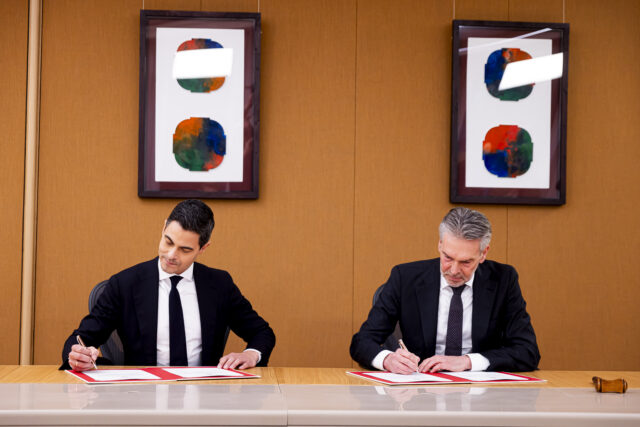
That dynamic raises the stakes. The coalition agreement includes €19 billion in additional defense spending, alongside reductions in healthcare funding and social benefits. Every proposal must survive negotiations in both chambers of parliament, a process likely to test the government’s unity.
Migration policy looms large. The coalition aims to reduce the number of asylum seekers and shift applications outside European borders, preventing claims from being filed after arrival. The issue has destabilized previous governments, including the one led by Jetten’s predecessor, Dick Schoof, whose administration became one of the shortest-lived in recent Dutch history.
A Ceremony Steeped in Tradition
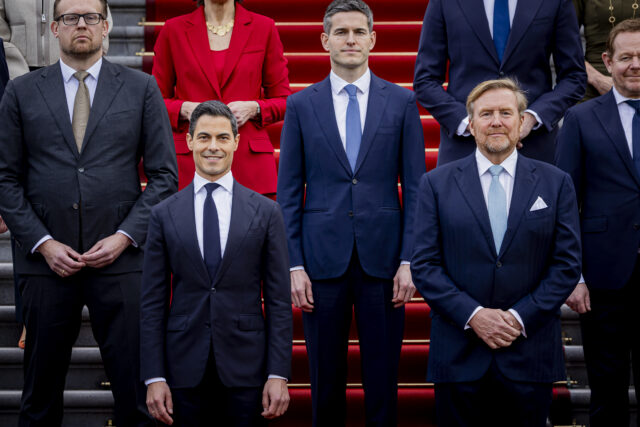
Jetten was formally sworn in by Willem-Alexander at Huis ten Bosch Palace, the royal residence in The Hague. A red carpet lined the palace steps as the new prime minister posed for official photographs before heading into his first full week on the job.
Ahead of the ceremony, Jetten posted a selfie on X, writing that leadership requires “courage and collaboration.” Shortly after confirmation, he shared a polished portrait on Instagram with a succinct caption: “Let’s get to work.”
From “Robot” to Front-Runner
Jetten’s rise has not been without scrutiny. Early in his national career, critics nicknamed him “Robot Jetten,” citing stiff television appearances and tightly scripted answers. Over time, he shed that image. On election night, in a packed venue in Leiden, supporters cheered as he delivered remarks with ease, projecting confidence rather than calculation.
To many younger voters, Jetten offered a contrast to Wilders, pro-European, socially liberal and forward-looking. His sexuality rarely dominated headlines during the campaign, reflecting how LGBTQ equality has become embedded in Dutch civic life.
Still, globally, openly gay heads of government remain rare. For viewers in countries where coming out can jeopardize careers or personal safety, Jetten’s inauguration represents a visible shift in what leadership can look like.

Opposition Signals a Fight Ahead
Not everyone is ready to rally behind the new cabinet. Wilders has pledged to challenge the government’s agenda. Meanwhile, Jesse Klaver, who leads the GreenLeft-Labour alliance, criticized the coalition’s financial blueprint, arguing it places added costs on working households while shielding the wealthiest from additional contributions.
With seven ministers from D66, six from the VVD and five from the CDA, plus three state secretaries per party, the cabinet reflects a balance of influence. Whether that balance holds under pressure remains to be seen.
For now, Jetten begins his term with a brief mandate and a long to-do list. Historic symbolism may define the headlines, but survival in a minority government will depend on vote-by-vote dealmaking.
The selfie has been posted. The oath has been taken. The real negotiations start now.


