




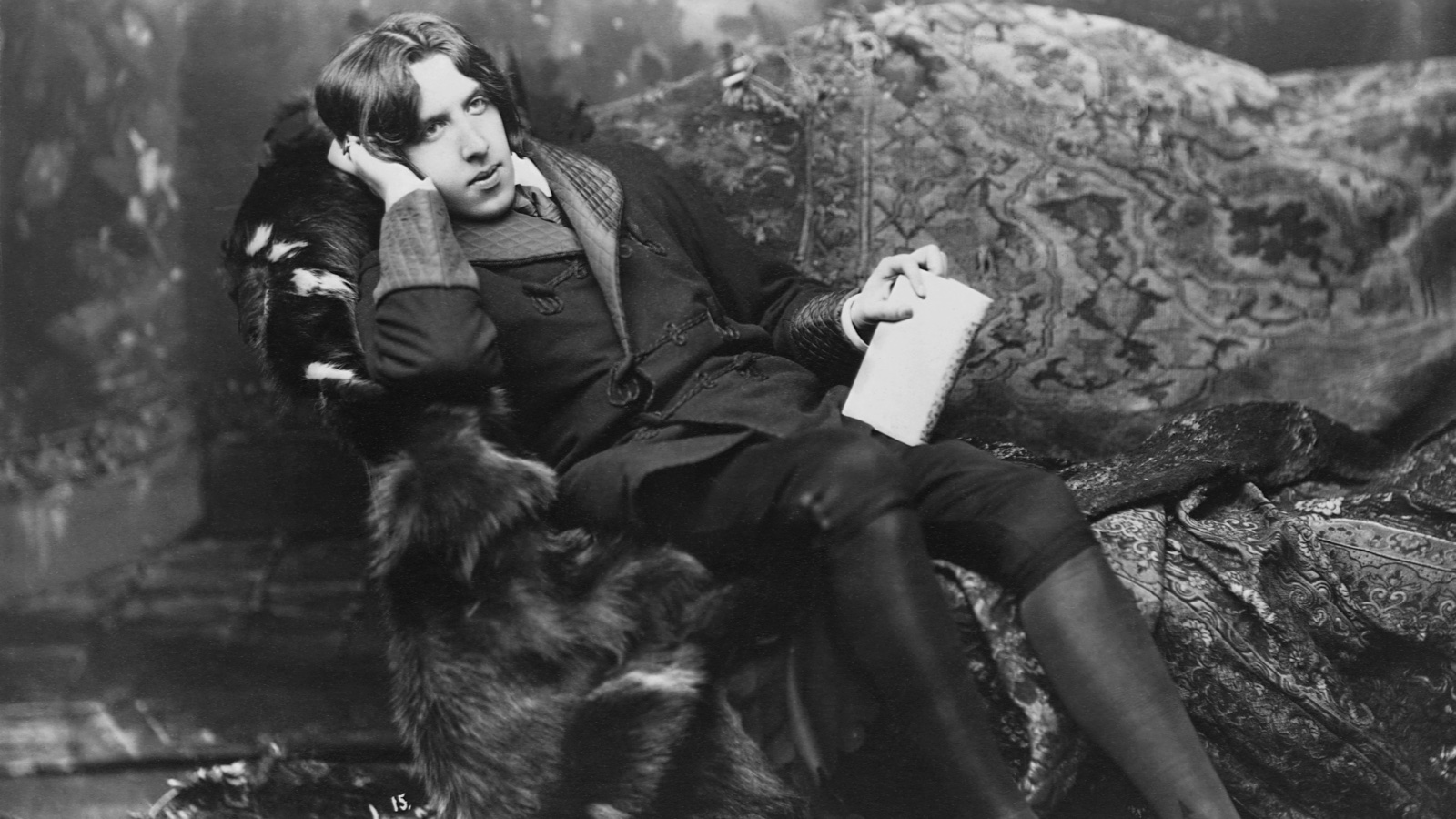
On February 18, 1895, the Marquess of Queensberry left a calling card at London’s Albemarle Club. The card was meant for Oscar Wilde. About three months later, London’s star playwright was in prison.
Oscar Wilde (1854 to 1900) was an Irish playwright, poet and novelist, best known for The Picture of Dorian Gray and The Importance of Being Earnest. In 1895 he was convicted of gross indecency over his relationships with men and sentenced to two years’ hard labor. He died in Paris in 1900 and was posthumously pardoned in 2017.
Who Was Oscar Wilde? Dublin, Oxford and the West End
Oscar Wilde was born in Dublin on October 16, 1854, to Sir William and Jane Wilde. He studied at Trinity College Dublin and Magdalen College, Oxford, before settling in London. On May 29, 1884, he married Constance Lloyd; their sons, Cyril and Vyvyan, were born in 1885 and 1886.
When The Picture of Dorian Gray ran in Lippincott’s Monthly Magazine in July 1890, passages including references to homosexuality had been removed before publication, LGBT History UK notes. A revised book came out in 1891. Lady Windermere’s Fan opened in 1892 and A Woman of No Importance in 1893, and An Ideal Husband and Earnest opened within weeks of each other in early 1895. Wilde’s friends wore dyed green carnations to the Lady Windermere opening.
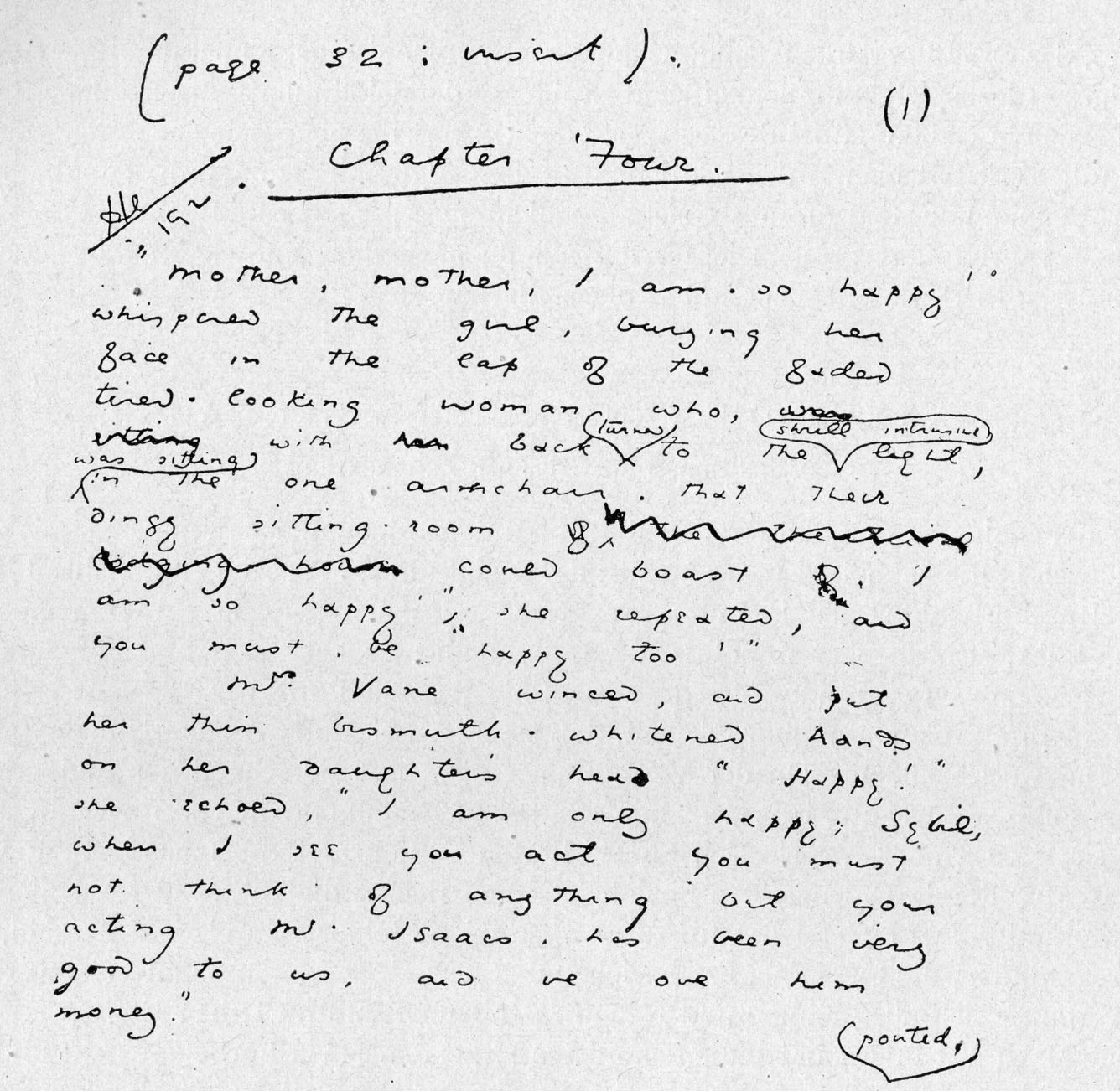
Robbie Ross, Bosie and the Men in Wilde’s Life
Robert “Robbie” Ross stayed in Wilde’s life after their affair. When Wilde was in prison, and later in exile, Ross was among the friends who stood by him, according to the National Archives’ account of Wilde’s life. He eventually took responsibility for Wilde’s work as his literary executor.
In 1891, Wilde met Lord Alfred Douglas, the young Oxford undergraduate known as Bosie. His father was the Marquess of Queensberry. Queensberry wanted the relationship stopped. His attacks on Wilde would bring the two men’s private lives into court, with disastrous consequences for the playwright.
The Queensberry Card and the Libel Case Wilde Lost
The National Archives preserves Queensberry’s calling card. Its wording is disputed, but the accusation that Wilde was a sodomite is clear. Wilde sued Queensberry for criminal libel. The card became an exhibit in the case.
The libel trial opened at the Old Bailey on April 3, 1895. Queensberry’s barrister, Edward Carson, questioned Wilde on the morality of his art, then produced evidence from private investigators, including young men ready to testify about Wilde’s sex life. On the third day, on his own lawyer’s advice, Wilde dropped the case.
By then, Queensberry’s lawyers had handed their evidence to the police. Wilde’s arrest followed on April 5, 1895, the same day he abandoned the libel case. He had gone to court as the accuser; he would return as the accused.
Gross Indecency at the Old Bailey: The Oscar Wilde Trials
Prosecutors charged him under Section 11 of the Criminal Law Amendment Act 1885, the Labouchère Amendment, which made “gross indecency” between men a crime. The British Library’s account records what happened to his reader pass, too. After his conviction, he lost access to the British Museum’s Reading Room.
The first criminal trial opened on April 26 before Justice Arthur Charles, with Wilde and a co-defendant, Alfred Taylor, in the dock. Asked about “the love that dare not speak its name,” from Douglas’s poem “Two Loves,” Wilde called it “a deep spirit of affection as pure as it is perfect.” The New York Herald’s May 1 report records his comparison with David and Jonathan, Plato and Shakespeare. The jury failed to reach a verdict, and Wilde was later released on bail.
Wilde’s retrial ended on May 25 before Mr. Justice Wills, with Solicitor General Frank Lockwood prosecuting. Wilde was convicted; Taylor had been convicted separately earlier that week. Both received two years’ hard labor. Wills told the court these were the worst cases he had ever tried, The Morning Post reported. Wilde asked, “May I say anything, my Lord?” He wasn’t allowed to speak.
Pentonville, Wandsworth and Reading Gaol: Wilde’s Two Years
Pentonville came first, then Wandsworth, then Reading. Wilde grew ill in prison. In the petitions that survive, he asks for books and writing materials, and for news of his children. Even those small requests had to go through the prison authorities.
At Reading he wrote a long letter to Douglas that became De Profundis. The prison would not send it, so Wilde received the manuscript on release and passed it to Ross. The British Library’s catalogue traces its publication: a heavily edited version in 1905, later additions, then a complete and correct text in Rupert Hart-Davis’s 1962 edition of Wilde’s letters.
Exile in France and Wilde’s Death at the Hotel d’Alsace
He began The Ballad of Reading Gaol in Berneval, and it was published in February 1898 with his cell number, C.3.3., where his name should have been.
He also went back to Bosie. They met in Rouen in August 1897 and lived together in Naples, but it was over by the end of December. Constance stopped his allowance over the reunion; they separated but never divorced, and she died in 1898. Wilde never saw his sons again.
Paris was his last home. Wilde died at the Hotel d’Alsace on November 30, 1900, aged 46. The cause was cerebral meningitis, according to the National Archives. The archive suggests that an injury he suffered in prison may have contributed to his death. That remains a possibility, rather than an established cause.
| Date | Event |
|---|---|
| February 18, 1895 | Queensberry leaves his card at the Albemarle Club |
| April 3, 1895 | Wilde’s libel case against Queensberry opens at the Old Bailey |
| April 5, 1895 | Wilde drops the case and is arrested |
| April 26, 1895 | First criminal trial opens; the jury later deadlocks |
| May 25, 1895 | Retrial ends in conviction; two years’ hard labor |
| November 1895 | Moved to Reading Gaol after Pentonville and Wandsworth |
| May 19, 1897 | Released at 6:15 a.m.; leaves for France that night |
| February 1898 | The Ballad of Reading Gaol published under “C.3.3.” |
| November 30, 1900 | Dies at the Hotel d’Alsace in Paris, age 46 |
| January 31, 2017 | Turing law takes effect; Wilde is among those pardoned |
Was Oscar Wilde Pardoned? The 2017 Turing Law
A pardon was still out of reach in 1994. When the campaign group OutRage! asked the Home Office to grant one, officials refused on the grounds that Wilde had broken the law of his own time. The National Archives keeps the request and the refusal.
That changed with the Policing and Crime Act 2017. From January 31 that year, men who had died with convictions for historical same-sex offences could receive posthumous pardons, provided the conduct would be legal today. The National Archives identifies Wilde as one of those pardoned under what became known as Turing’s law. Conduct that remains a crime was excluded.
Oscar Wilde Quotes: What He Wrote and What He Didn’t
“Be yourself; everyone else is already taken” sounds like the sort of line Wilde might have delivered. But Quote Investigator could find no evidence that he said it. Its earliest exact match was an unattributed Usenet post from 1999, nearly a century after his death. Nor does the sentence appear in Ralph Keyes’s The Wit & Wisdom of Oscar Wilde. For an actual Wilde line on the subject, open De Profundis: “Most people are other people.”
Where to See Oscar Wilde’s Story in Paris and London
Wilde’s grave is in Père Lachaise Cemetery in Paris, beneath the tomb designed by sculptor Jacob Epstein.
Back in London, the paper trail is unusually personal: Queensberry’s card, Wilde’s prison petitions and his death certificate are held by The National Archives. A Wandsworth prison register and a first edition of De Profundis are also on display in The London Archives’ free Londoners on Trial exhibition, which runs until February 25, 2027. Gayety’s queer history coverage follows more of the people whose lives were shaped by these laws.
Oscar Wilde FAQ: The Trial, Bosie, Prison and Pardon
Why was Oscar Wilde sent to prison?
Wilde went to prison because British law criminalized sex between men. His failed libel case against Queensberry brought evidence of his relationships to police. The conviction came on May 25, 1895: gross indecency, with a sentence of two years’ hard labor.
Who was Bosie?
Bosie was Lord Alfred Douglas, the young poet Wilde met in 1891. He was Queensberry’s son, Wilde’s lover and the person addressed in the prison letter later published as De Profundis.
Was Oscar Wilde pardoned?
Yes. The National Archives names Wilde among the men pardoned after their deaths under the 2017 Turing law. The pardon covers historical offences for conduct that would now be legal; it is not a pardon for conduct that remains a crime.
Was Oscar Wilde gay?
His relationships with Robbie Ross and Lord Alfred Douglas are central to why Wilde is remembered in gay history. He was also married to Constance Lloyd, with whom he had two sons.
How did Oscar Wilde die?
Wilde died of cerebral meningitis in Paris on November 30, 1900. He was 46. A possible link to an injury suffered in prison appears in the National Archives’ account, but remains uncertain.


