


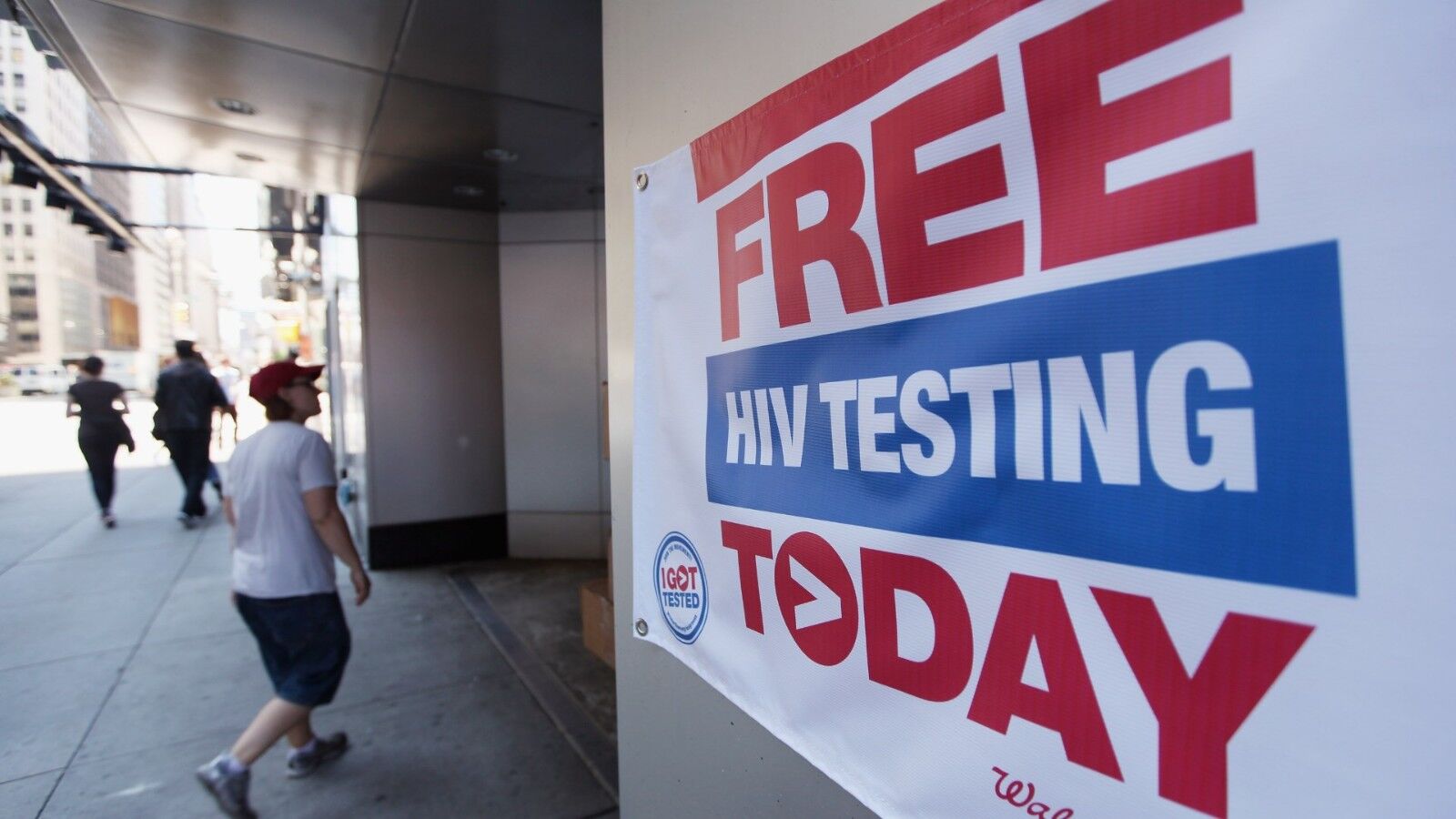
Texas community groups face cuts to HIV testing and outreach after a federal grant expired Sept. 30, the Texas Tribune reported Nov. 12. The CDC’s PS21-2102 program provided $29.2 million to 11 Texas organizations over five years.
The state health department has received a separate, one-time CDC award of more than $5.2 million through May 2027. About $1.2 million will go to community organizations. Those figures cover different periods: $29.2 million was the five-year total, while $1.2 million is the temporary replacement allocation.
“This is a huge hit to our ability to respond to the epidemic,” state Rep. Venton Jones, a Dallas Democrat, told the Tribune.
Texas was the program’s largest beneficiary, according to the Tribune. The CDC didn’t respond to the paper’s request for comment. Gayety reported in July that advocates had been told the CDC wouldn’t renew the program.
What the Federal HIV Prevention Grant Paid For
The CDC posted the program in September 2020 as Comprehensive High-Impact HIV Prevention Programs for Community-Based Organizations. Its funding notice set the goal as “reducing new infections, increasing access to care, and promoting health equity.”
The money paid for testing, outreach and linking people to care. It couldn’t buy the drugs themselves. The notice says recipients “may not use funds for clinical services, such as the provision of PrEP and nPEP,” so groups referred clients to clinics for prevention medication.
Implementation was scheduled to run “through June 30, 2026,” the notice says. The awards were later extended to Sept. 30.
The notice also named who it was built to reach: “Blacks/African-Americans; Hispanics/Latinos; all races/ethnicities of gay, bisexual, and other men who have sex with men (MSM); people who inject drugs (PWIDs); and transgender persons.”
Why Community Testing Matters
Texas ranks fifth in the nation for new HIV diagnoses per capita, the Tribune reported, citing 2024 data from AIDSVu, the Emory University mapping project.
Community groups tend to reach people a doctor’s office doesn’t. Emma Sinnott, a vice president at Vivent Health in Austin, told the Tribune that many clients distrust clinics or worry a visit could out them.
“There’s a lot of stigma in the community, and they don’t want people to know their sexuality,” Sinnott said.
Allies in Hope, Vivent Health and BEAT AIDS Face Testing Cuts
In Houston, Allies in Hope received about $441,000 a year from the grant, CEO William Jeffrey Campbell told the Tribune. That money covered more than a quarter of the roughly 2,000 tests the group runs each year.
“That $441,000, with all that it encompasses, that takes out a good chunk of the number of people that we are able to test,” Campbell said.
At Vivent Health, the grant made up 30% of HIV prevention funding, Sinnott said. She told the Tribune the group will try to keep testing for sexually transmitted infections free as long as it can, but worries it will eventually have to charge.
Black Efforts Against the Threat of AIDS, in San Antonio, was the largest PS21-2102 recipient in the nation, according to the Tribune. The grant covered 20% of its approximately 5,000 HIV tests last year. Executive Director Michele Durham said San Antonio sees 300 to 400 new diagnoses a year.
“For us to let up off the gas right now is just not our smartest move as a community and as a nation,” Durham told the paper.
How Texas Will Use the Temporary Funding
Almost a quarter of the new state award goes to community groups. The rest will fund “projects that support the HIV prevention and surveillance efforts funded through” another program, Texas Department of State Health Services spokesperson Lara Anton wrote in an email to the Tribune.
That $1.2 million compares with the more than $3 million a year Texas community groups had been getting from the CDC, the Tribune reported. State health departments are encouraged, but not required, to pass 10% of the new money to those groups.
Philip Keiser, a University of Texas Medical Branch professor who studies HIV, compared moving money from community groups to clinics to “robbing Peter to pay Paul.”
“These community groups are critically important in getting out there to reach their community and get people tested,” Keiser told the Tribune.
An amfAR analysis of CDC-funded tests from 2012 to 2017 found community groups ran only 2.9% of them. Their new-diagnosis rate was 1.4%, compared with 0.5% at health departments.
“It’s kind of penny wise and pound foolish to cut funding for testing, because it’s a lot cheaper to test and screen things than to treat additional infections down the road,” Anthony Fojo, a Johns Hopkins Medicine professor, told the Tribune.
What Comes Next for Funding and Testing

Lawmakers have started considering state replacement funding ahead of the next legislative session, the Tribune reported. Jones, whom the paper identified as the first openly HIV-positive lawmaker to serve in the Legislature, said he would do everything he can to replace the lost federal money. He warned that state money isn’t a permanent fix.
“Ultimately, we want to make sure that those funds are put back by the federal government, by the CDC, because those are critical,” Jones told the Tribune.
The state health department says free and low-cost HIV testing is available across Texas, and PrEP remains available through clinics and doctors. The state’s one-time CDC award runs out in May 2027.


