




Madison Beer isn’t chasing pop’s loudest moment anymore. She’s carving out her own quiet control, and her third studio album, locket, is proof she knows exactly what she’s doing.
Arriving during an industry slowdown, when release schedules thin and attention drifts, locket lands deliberately off-cycle. Beer isn’t fazed. If anything, the timing fits the album’s intent: inward, self-directed, and uninterested in competing for noise. “No one’s gonna tell me what to make or what to do,” she says, plainly. It’s not defiance, it’s clarity.

A Record Built on Autonomy, Not Metrics
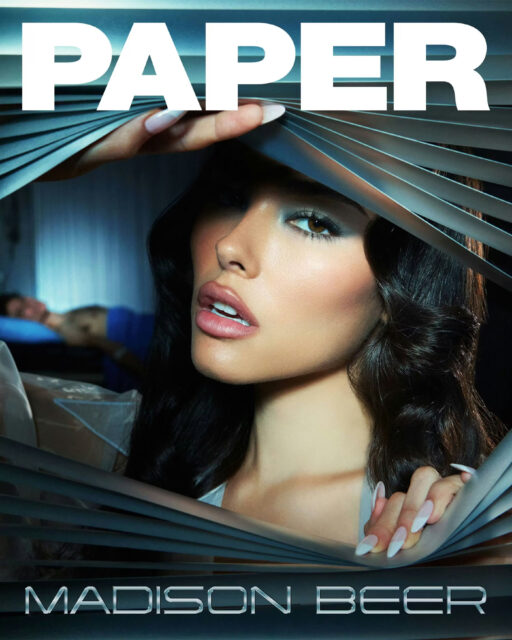
In a special sit down with Paper Magazine, Beer describes locket as the most complete reflection of herself she’s ever shared. That wholeness didn’t come from chasing momentum or chart expectations. Instead, it arrived once she stopped measuring success by numbers she never felt connected to in the first place.
Historically, Beer hasn’t positioned herself as a chart-first artist, and she’s no longer pretending that’s the goal. “It would be unfair to put that pressure on it,” she explains, noting that pride in the work matters more than performance. The result is an album that moves fluidly between dark pop and R&B textures, designed with live shows in mind rather than radio formulas.
Each track was shaped with the stage as a backdrop, a shift inspired by touring, where Beer rediscovered how much joy performance can bring when expectations loosen.

Creative Control, Claimed and Kept
For Beer, creative authority wasn’t handed over, it was built, slowly, after years of being underestimated. She now takes a hands-on role in every layer of her output, from production decisions to lighting cues on tour. “Every sound you hear, I chose,” she says, emphasizing collaboration without surrendering authorship.
That confidence didn’t come easily. Entering the industry as a teenager meant learning early how often young women are sidelined in technical rooms. Those experiences shaped her resolve to stay present in every creative step, even when it meant pushing back.
Ariana Grande, Imogen Heap, and the Artists Who Shaped Her Ear
While locket feels firmly hers, Beer doesn’t shy away from naming the artists who influenced her sense of possibility, especially Ariana Grande.
“Ariana’s always been one of my idols,” Beer says. “Sonically and vocally, I just think she’s incredible.” It’s not imitation she’s interested in, but impact. Grande represents longevity without dilution, ambition without erasure, a model Beer has studied closely.
Her inspirations stretch beyond modern pop. Beer cites Imogen Heap, Daft Punk, The Beatles, and ’80s records as part of her musical DNA. That range shows up across locket, where layered vocals sit beside experimental flourishes, including subtle samples drawn from TV moments meaningful only to fans paying attention.
Boundaries as Survival, Not Strategy
After years of overexposure, Beer now treats privacy as non-negotiable. She’s candid about how much she once gave, and what it cost. Birthdays missed. Time with family gone. A sense that her identity had flattened into performance alone.
Stepping back didn’t mean stepping away. It meant redefining the terms. Saying no, she explains, is sometimes the most powerful move available. That choice now shapes how she works, how she releases music, and how much of herself she keeps off-camera.
Redefining Success on Her Own Terms
Beer doesn’t reject ambition, she just refuses to let it run the show. A top-ten album would be exciting, she admits, but peace matters more. Happiness without qualifiers is the goal.
When this era is remembered, she hopes it’s for staying true, not shrinking or reshaping to fit outside demands. Locket isn’t a reinvention. It’s a declaration: Madison Beer is still here, still choosing herself, and still listening to the artists who taught her it was possible.


