




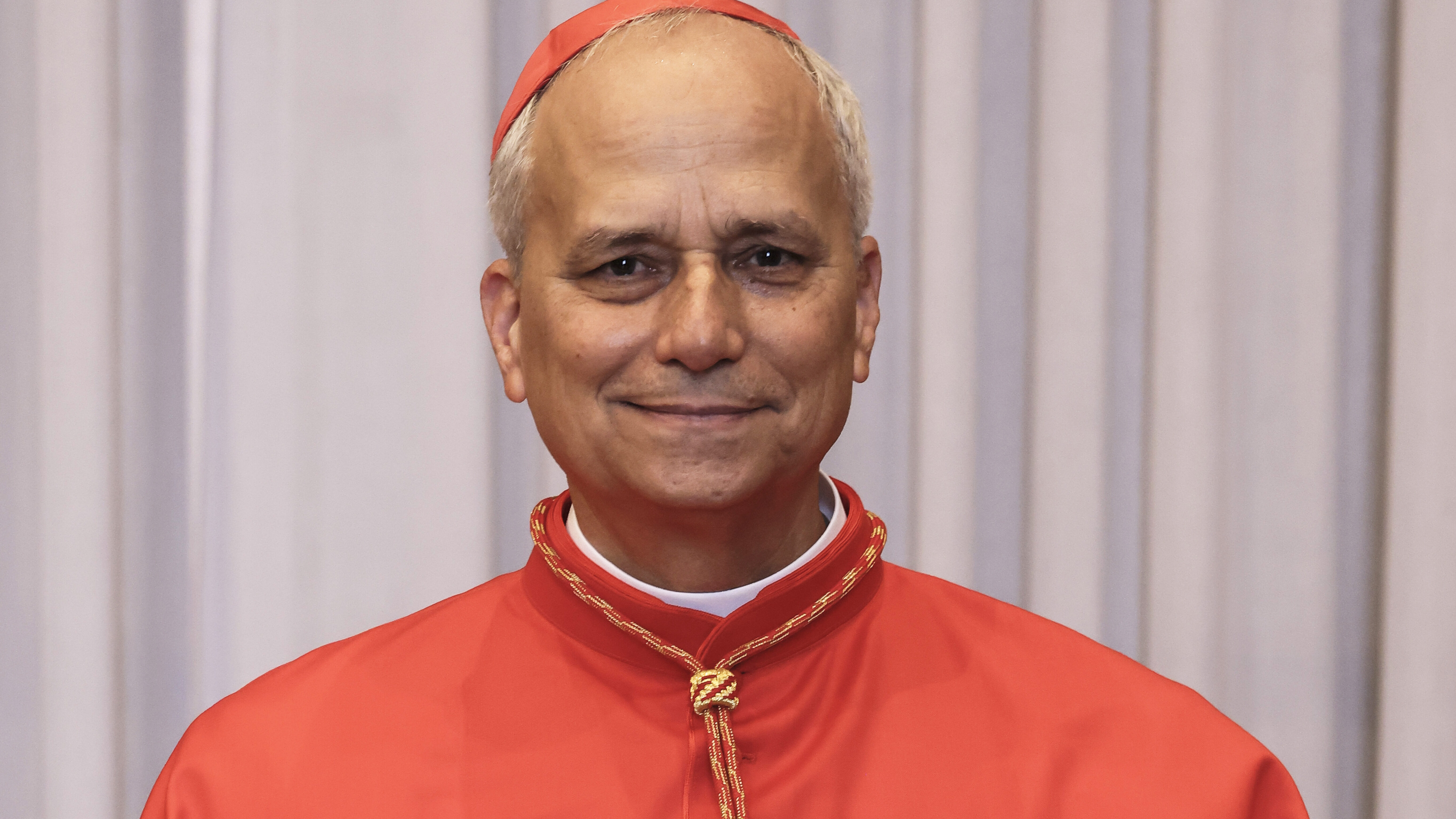
Pope Leo XIV is making clear that sweeping changes to Catholic teaching on sexuality are not on the horizon.
In a new book-length interview, Pope Leo XIV – The Biography, the pontiff addresses a range of global and cultural flashpoints, including LGBTQ+ rights, and signals that the Church’s formal doctrine on marriage is unlikely to shift anytime soon.
“It seems to me very unlikely, at least in the near future, that the doctrine of the Church will change its teachings on sexuality and marriage,” Leo XIV says in conversations with Vatican journalist Elise Ann Allen. The book, based on a series of meetings at Castel Gandolfo, was recently released in Italian.
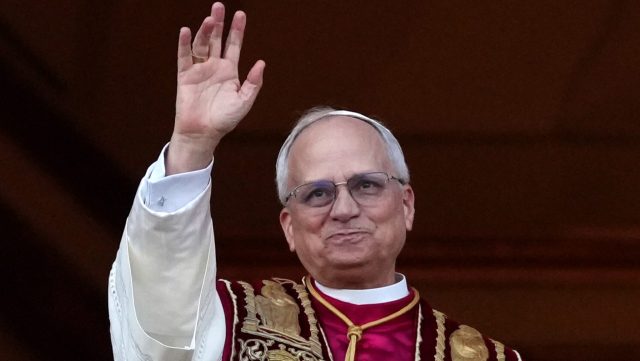
A Polarizing Debate Inside the Church
The pope acknowledges that discussions surrounding LGBTQ+ Catholics remain deeply divisive. Reflecting on debates raised during the Synod, he notes that topics tied to queer identity can quickly split opinion within Church ranks.
“I try not to fuel polarization in the Church,” he explains, adding that the issue sits “in the background” of his thinking. For Leo XIV, maintaining unity appears to be a priority, even as activists and reform-minded Catholics continue pressing for recognition of same-sex marriage and greater affirmation of transgender people.
Referencing the well-known phrase of his predecessor, he points to the message of “todos, todos,” everyone, first emphasized by Pope Francis. The invitation, Leo XIV suggests, is universal but rooted in the belief that each person is a child of God, rather than defined by a particular label.
“Everyone is welcome,” he says, underscoring pastoral openness while drawing a line at doctrinal revision.
Doctrine vs. Attitude
While reaffirming current teaching, Leo XIV leaves room for a shift in tone. He argues that cultural posture may need attention before theology does.
“People want Church doctrine to change and they want attitudes to change,” he says. “I believe that we must first change attitudes, before even thinking about changing what the Church teaches on a particular issue.”
The distinction is subtle but significant. In practice, he emphasizes that priests will continue to welcome individuals from all walks of life. In an excerpt published by the Italian newspaper La Repubblica, he reiterates that confession and parish life remain open to anyone seeking spiritual guidance.
“The teaching of the Church will continue to remain as it is,” he says. “For now I have nothing more to add on this point.”
Trump, Migrants and the Limits of Papal Politics
The biography also touches on geopolitics, including questions about the presidency of Donald Trump. Leo XIV declines to weigh in directly on American leadership, stating that it would be inappropriate for a pope to insert himself into the domestic affairs of a specific nation.
Instead, he suggests that local bishops are best positioned to engage political leaders. “I would say the same of any government,” he adds, signaling a broader principle rather than a targeted critique.
Migration, however, receives more pointed attention. Leo XIV praises a late initiative by Pope Francis addressing the treatment of displaced people, noting that several U.S. bishops embraced its message and acted with courage in implementing it.
Technology and a Looming Crisis
Beyond culture wars and political headlines, Leo XIV identifies technology as an urgent frontier. Artificial intelligence, automation and labor disruption, he warns, pose profound questions about dignity and economic stability.
“If we automate the entire planet and only a few have the means to live well and lead a meaningful existence,” he says, “then yes, there is a big problem looming on the horizon.”
It’s a reminder that while debates over sexuality often dominate conversation, the Vatican’s concerns stretch far beyond a single issue.
For LGBTQ+ Catholics hoping for formal recognition of same-sex marriage or gender-affirming acknowledgment, the message is seems a bit vague and still unclear. Pastoral outreach remains central to this pope’s teachings, but there is still progress to be made on LGBTQ+ rights being acknowledged in the church.


