




Texas is often framed through headlines about bans, court battles, and culture wars. What gets lost is the quieter work happening beneath the noise: queer people building care networks where public systems fall short. Across Houston and beyond, leaders connected to The Normal Anomaly Initiative are reshaping what survival looks like, not through slogans, but through housing, advocacy, and community-based health work.
These are not abstract stories. They are personal, lived, and rooted in Texas soil. From opening a front door to unhoused LGBTQ+ people, to organizing trans safety networks, to reimagining HIV advocacy in an era of shrinking funds, these voices are focused on one thing: keeping people alive and connected.
Ian L. Haddock: From Housing Insecurity to Holding the Keys
Ian L. Haddock knows what it means to carry your life in bags. As a teenager, he experienced homelessness firsthand. Years later, that memory followed him to a very different moment, standing in front of a home he now owns.
Instead of treating the milestone as a private victory, Haddock made a choice that surprised even him. His first house will double as a refuge. Bedrooms are being set aside for LGBTQ+ people facing housing instability, creating space not just for sleep, but for stability.



Haddock is the founder and executive director of The Normal Anomaly Initiative, an organization informed by his own early experiences. His work has earned national recognition, including a GLAAD Media Award, an Out100 honor, and appearances across mainstream and queer media. Still, the mission remains grounded.
“This is about building what I needed back then,” Haddock has said of the project. The house is designed to function as a launchpad, a place where people can regroup, access resources, and imagine next steps.
Joelle Bayaa-Uzuri Espeut: Trans Survival as Community Practice
Texas is often described as hostile terrain. Joelle Bayaa-Uzuri Espeut offers a different frame: trans people are still here, still creating, and still protecting one another.
Espeut serves as advocacy director for The Normal Anomaly Initiative and leads TAC: SAGES in Houston. Her work centers on education, research, and coalition-building, tools that don’t always make headlines, but change lives quietly.



While lawmakers debate policies that affect trans bodies, Espeut and her peers focus on daily realities: safe housing referrals, accurate information, and emotional support. The work holds space for grief, but also for humor, creativity, and care.
Espeut’s advocacy extends beyond one organization. She sits on multiple boards and advisory councils, including the Trans Women of Color Anti-Violence Task Force for the American Psychological Association. Her writing has appeared in Spectrum South, the Trans Griot, and Q26.
“This isn’t defiance for spectacle,” she has said. “It’s defiance through care.”
Jordan J. Edwards: HIV Advocacy in a Quieter Funding Era
Jordan J. Edwards learned early how silence can harm. Before his own HIV diagnosis in 2013, he watched a family member die from AIDS-related complications and supported a friend through crisis after receiving a positive result.
Those experiences shaped his path. Today, Edwards is deputy director of the BQ+ Center for Liberation, a program of The Normal Anomaly Initiative. His focus is practical and urgent: employment access, linkage to care, and prevention education for Black queer communities.
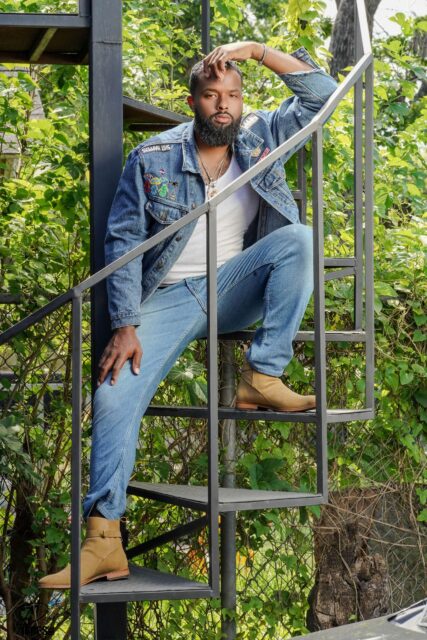

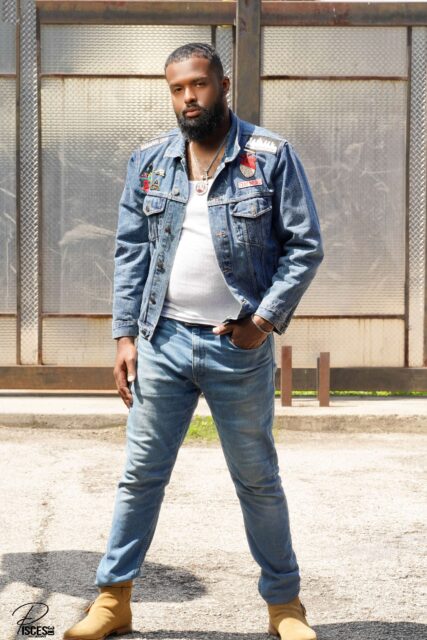
The challenge has shifted. Federal priorities are changing, and nonprofit funding is less reliable. Edwards is now navigating how to keep advocacy visible when resources shrink.
His answer has been adaptation. That includes mentoring younger leaders, exploring alternative funding streams, and speaking openly about stigma, especially for a generation that did not live through the height of the AIDS crisis.
Edwards has been recognized by organizations including the Mahogany Project and AASOETF, and his work has been featured in outlets such as The Advocate and Outsmart. Outside of advocacy, he spends time gaming, volunteering at animal shelters, and staying close to family.
Rochelle “Shelley” Washington: Faith, Service, and Financial Literacy
Care work at The Normal Anomaly Initiative also extends into faith and economic empowerment. Rochelle “Shelley” Washington, the organization’s service director, brings two decades of experience in education into her advocacy.
After participating in the Project Liberate program, Washington founded Be Owt Ministries, a nonprofit focused on financial literacy and resource access for underserved communities. Her approach blends faith leadership with tangible tools.
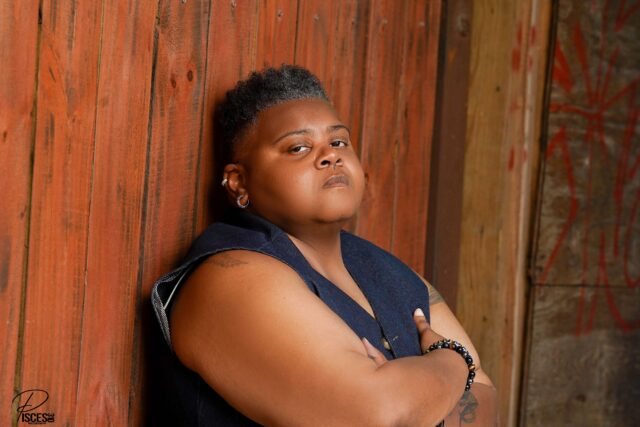
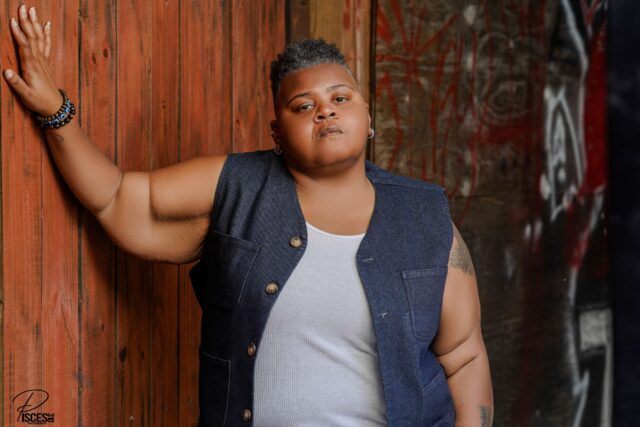
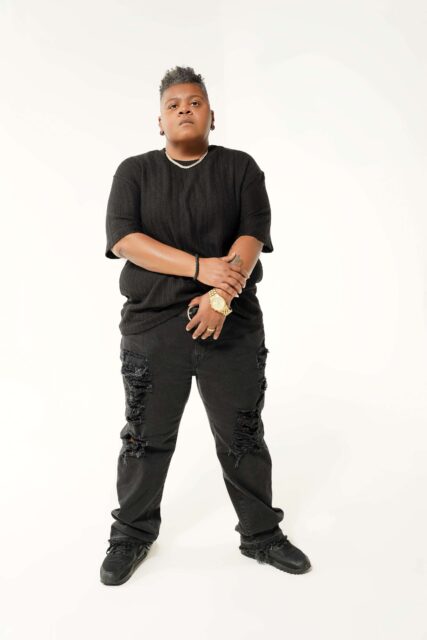
Washington’s work has been recognized nationally, including a feature in USA Today’s Pride edition. For her, service is about meeting people where they are, spiritually, emotionally, and financially.
Building the Future in Plain Sight
What connects these stories is not branding or buzzwords. It is proximity. Each leader is addressing gaps they have personally encountered, whether that gap is housing, safety, healthcare, or stability.
In a state where LGBTQ+ lives are often reduced to political talking points, these Texans are building something quieter and more durable. They are not waiting for permission. They are opening doors, sharing knowledge, and creating systems of care that hold.
And while Texas headlines may miss these efforts, the impact is already being felt, one room, one conversation, and one community at a time.


