




As conversations around trans rights continue to intensify, a new report from The Trevor Project is shifting the focus toward something often overlooked: joy.
Released in recognition of Transgender Day of Visibility, the study explores how gender euphoria, the feeling of alignment between one’s identity and expression, relates to mental health outcomes among transgender and nonbinary youth ages 13 to 24. The findings are clear: affirmation doesn’t just feel good, it matters.

What Is Gender Euphoria, Really?
Gender euphoria is often framed as the opposite of gender dysphoria. Instead of distress, it centers on comfort, confidence, and recognition. It can show up in quiet ways: hearing the right pronouns, being included in the right spaces, or catching your reflection and actually liking what you see.
In the study, thousands of young people described what sparked that feeling. For many, it came down to being seen. Eighty-two percent said they felt affirmed when strangers correctly recognized their gender in public. Others pointed to clothing, hairstyles, or even casual conversations where they were treated as they truly are.
One respondent summed it up simply: being treated “like a normal guy.” It’s a reminder that validation doesn’t always require grand gestures, often, it’s about everyday respect.
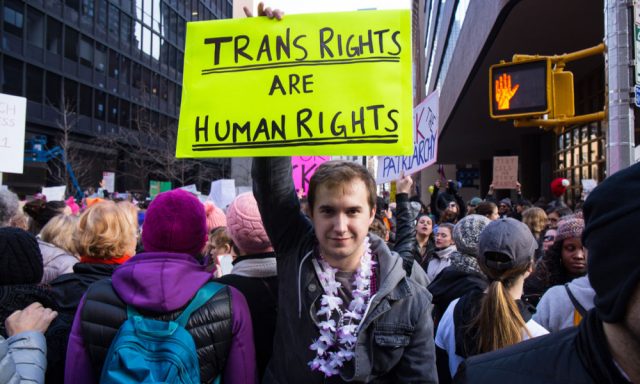
The Data Behind the Feeling
The report draws from a survey of more than 9,000 transgender and nonbinary youth across the U.S., and the numbers tell a compelling story.
Young people who reported higher levels of gender euphoria had:
- 47% lower odds of depression
- 37% lower odds of anxiety
- 37% lower odds of suicidal ideation in the past year
Those aren’t small shifts. They point to a meaningful connection between affirmation and well-being, especially at a time when many trans youth face growing political and social pressure.
The study also found that gender euphoria was more commonly reported among participants ages 18 to 24 and those with greater financial stability, highlighting how access and environment can shape a person’s ability to feel affirmed.
Why This Matters Right Now
Much of the public conversation around trans communities tends to focus on harm: legislation, discrimination, and barriers to care. While those issues are urgent, this research offers a different angle. It asks what happens when things go right.
By centering positive experiences, the report reframes what support can look like. It’s not only about reducing harm, it’s about increasing moments of recognition, dignity, and belonging.
That shift feels especially timely on Transgender Day of Visibility, a moment meant to celebrate trans lives in full, not just in survival mode.
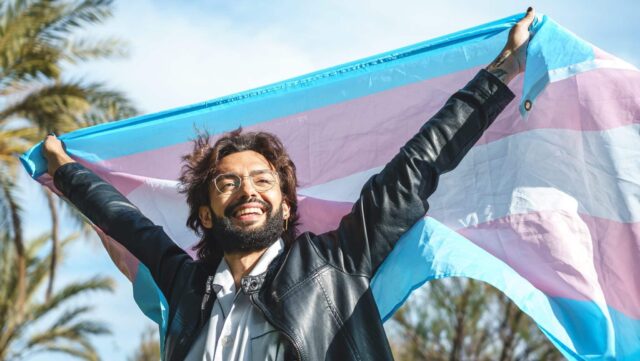
How to Show Up (Without Overthinking It)
You don’t need a deep understanding of gender theory to make a difference. According to the young people surveyed, support often looks straightforward:
- Respect names and pronouns
- Speak up when others don’t
- Take initiative to learn, rather than relying on someone to explain everything
- Show visible support, both online and offline
At its core, affirmation is about listening and following someone’s lead when they tell you who they are.
Joy as Resistance
There’s something quietly radical about focusing on joy in a climate that often denies it. Gender euphoria isn’t just a personal feeling, it can be a form of resilience.
For transgender and nonbinary youth, those moments of alignment can act as a buffer against stress and isolation. They can also open the door to something bigger: the ability to imagine a future that feels possible.
And sometimes, that future starts with something as simple as being called the right name.


