



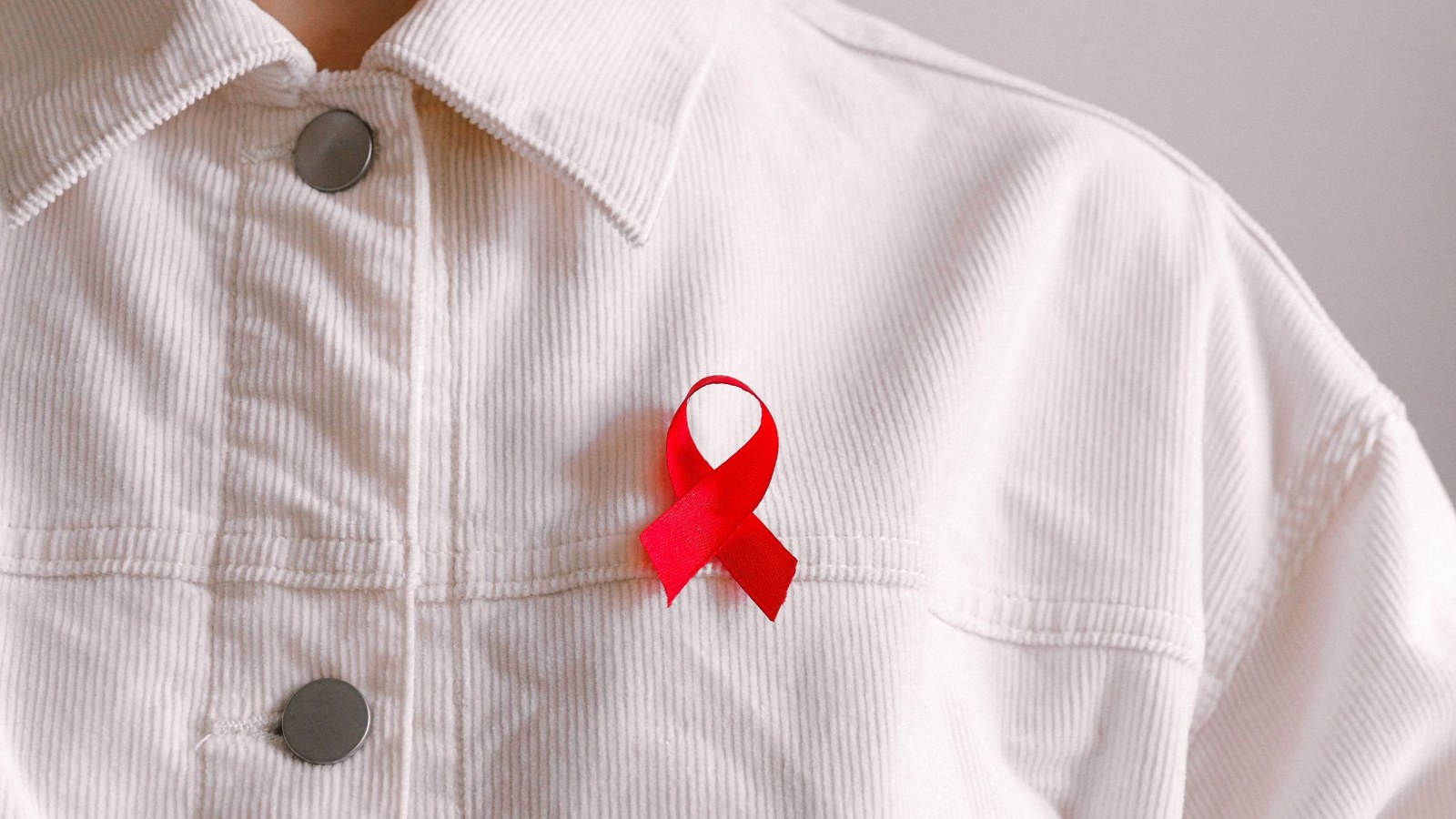
The 2025 U.S. aid cuts ended all USAID-funded community HIV prevention and care for LGBT people in Indonesia, Human Rights Watch said in a 33-page report released Nov. 11. The group built it on 35 interviews in Jakarta, Depok and Serang in November 2025 and June 2026.
“The Trump administration’s gutting of USAID eliminated services that helped LGBT people in Indonesia get lifesaving services in an environment of stigma, discrimination, and fear,” Julia Bleckner, a senior health researcher at HRW, said in the group’s news release.
The report cites the U.S. government’s foreign assistance tracker: obligated HIV funding for the country fell from $11.9 million in fiscal 2024 to $7.9 million in fiscal 2025.
A Heavy Reliance on International Donors
The report cites UNAIDS estimates from different years: adult HIV prevalence of 0.4% in 2024, and 2023 prevalence of 22% among men who have sex with men and 25% among transgender people. These are historical estimates, not a new survey of infections after the cuts.
In a February 2025 update, UNAIDS said Indonesia “has had to pause many programmes due to the U.S. funding freeze.” Prevention and links to treatment had been affected for about 30% of men who have sex with men in Jakarta, the agency said.
International donors covered 98% of the $5 million spent on HIV programs for those two groups in 2020, the report says. Of Indonesia’s own HIV spending that year, 0.1% went to programs for men who have sex with men and none went specifically to trans people, HRW found.
From Paid Outreach Workers to Volunteers
Yayasan Srikandi Sejati is a grassroots group of transgender outreach workers living with HIV. In 2025 it helped 1,700 trans people get tested, HRW says.
“Rather than prevent HIV, the government targets LGBT people and promotes discriminatory policies,” said Kamel, the group’s program manager, in the report.
HRW uses the Indonesian word waria, often translated as “transgender woman.” Indah R. is a waria outreach worker living with HIV. HRW withheld or changed most LGBT interviewees’ names to protect their safety.
“Just leaving the house as a trans person is scary. Without an outreach worker, the person will be alone and they won’t get care,” Indah R. said.
Before the cuts, YSS had 23 outreach workers, each supporting roughly 40 to 50 people, according to HRW. Canadian emergency money kept 11 of them going until the grant ran out after February 2026. By June, the report says, YSS had no funding at all and those 11 were volunteering.
“I lost contact with many participants, who are now late getting meds,” said Ratna F., another waria outreach worker.
Staff at the national network Jaringan Indonesia Positif fell from 150 to about 30, HRW reported, and 15 of them now work essentially as volunteers.
Criminalization Adds Another Barrier
Indonesia’s new criminal code took effect Jan. 2, 2026, criminalizing sex outside marriage. HRW warns that the provision also threatens same-sex couples, who cannot legally marry. Prosecution requires a complaint from a spouse for a married person, or a parent or child for an unmarried person, as Indonesia’s Constitutional Court explains.
Police raids on private gatherings have used “possession of condoms and purported HIV medication as evidence of crimes,” according to the release. HRW says that scares people away from carrying prevention supplies, gathering for outreach, getting tested and seeking treatment.
“If you are LGBT and living with HIV, it’s the end of the story. You are doomed,” a gay activist living with HIV told the group.
HRW wrote to the U.S. State Department and to Indonesia’s health and home affairs ministries on Sept. 24 and received no responses, it said. Back in January 2025, Health Minister Budi Gunadi Sadikin acknowledged that Indonesia felt the U.S. aid freeze but said its grant sources were diversified, detikHealth reported.
“Indonesia should stop targeting LGBT people and start investing in the community services proven to prevent HIV and keep people in treatment,” Bleckner said.
What Comes Next for U.S. Health Aid
USAID’s remaining programs moved to the State Department in July 2025, according to KFF’s PEPFAR tracker, which notes that Congress appropriated $4.8 billion for PEPFAR in fiscal 2026.
“There’s no question that this is the most serious disruption in the HIV response since the world came together to fight this disease,” UNAIDS Executive Director Winnie Byanyima said in June, UN News reported.
The administration’s America First Global Health Strategy uses bilateral agreements to set out U.S. assistance and partner countries’ spending commitments. KFF’s tracker, updated Nov. 6, lists agreements with 36 countries. Indonesia is not among the countries listed.
The report asks Washington to ensure PEPFAR money flows on time and to report publicly on the effects of the programs it ended. HRW also wants it to withdraw the “Promoting Human Flourishing in Foreign Assistance Policy.” The same administration halted U.S.-funded PrEP for gay men and sex workers abroad in 2025.
Bleckner urged the United States and other donors to rebuild the services people had depended on. World AIDS Day is Dec. 1.


